




The project:
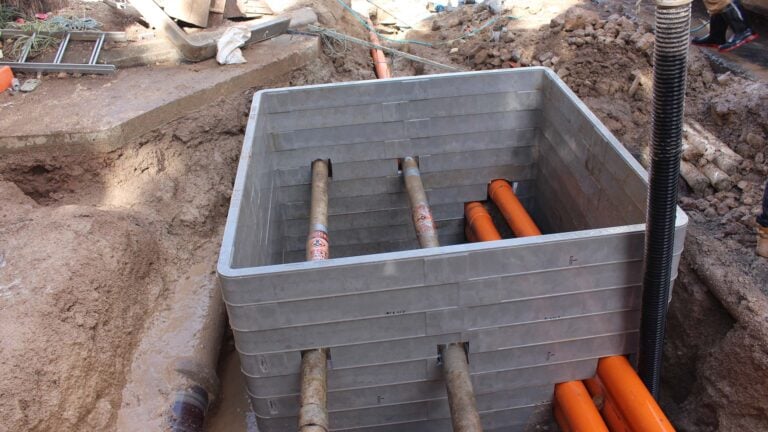
- Sealing below-ground cable duct penetrations in a concrete structure where the ducting sat below the water table and groundwater ingress was present during installation
The client:
- Major utility provider
The products:
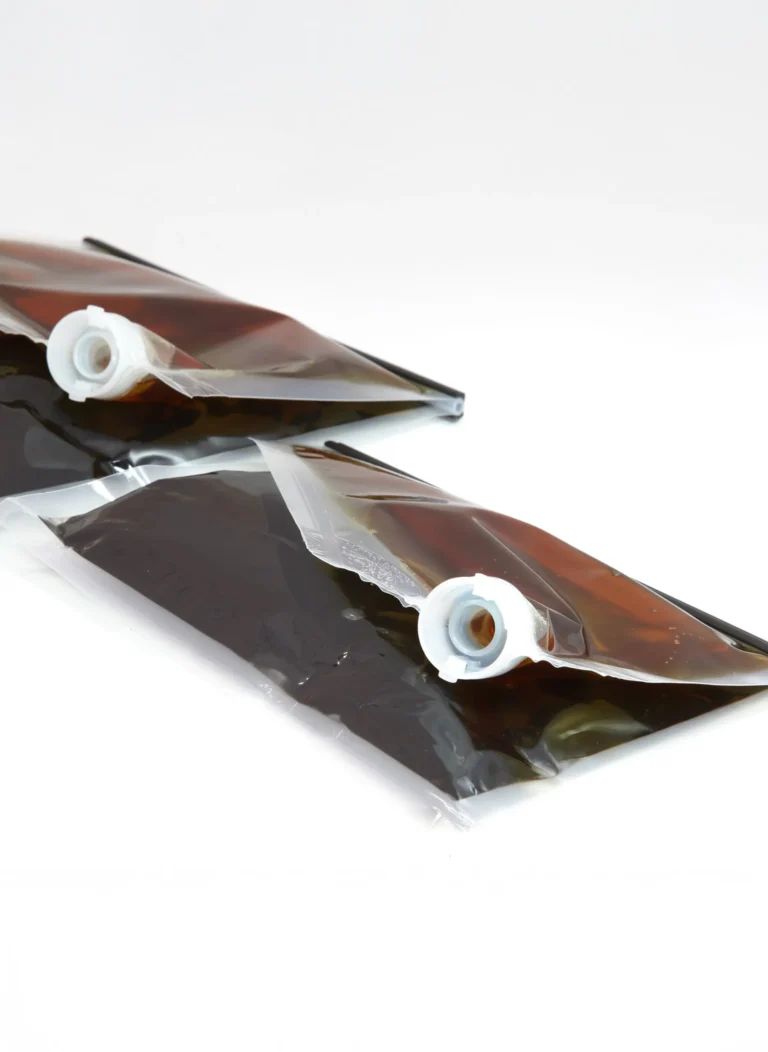
- Running water kit and Filoseal+ (FILOform running water kit)
The challenge:
Sealing ducts below the water table creates a specific installation challenge. (And one that will almost certainly lead to an incorrect job without the right knowledge and solutions in place.)
Where cable ducts enter a below-ground chamber or concrete structure, groundwater can (will) enter the duct. This then create continuous pressure at the point of entry.
In this project, the penetrations were exposed to active water ingress because the ducts were positioned below the water table. That meant the contractor was not just dealing with damp conditions, but with running water that could interfere with the installation of the permanent duct sealing system.
Without controlling that flow first, water could continue to enter the structure and could also compromise the quality of the final seal.
So, a method was needed that would manage live water during installation. All, that is, while delivering a long-term sealing solution for the cable entries.
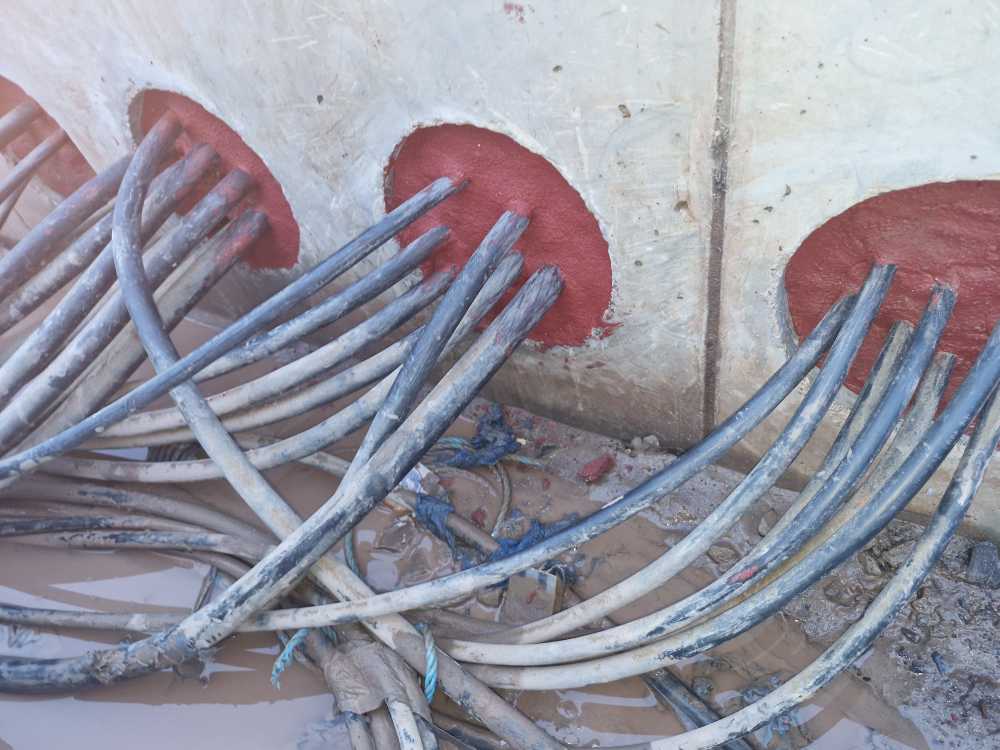
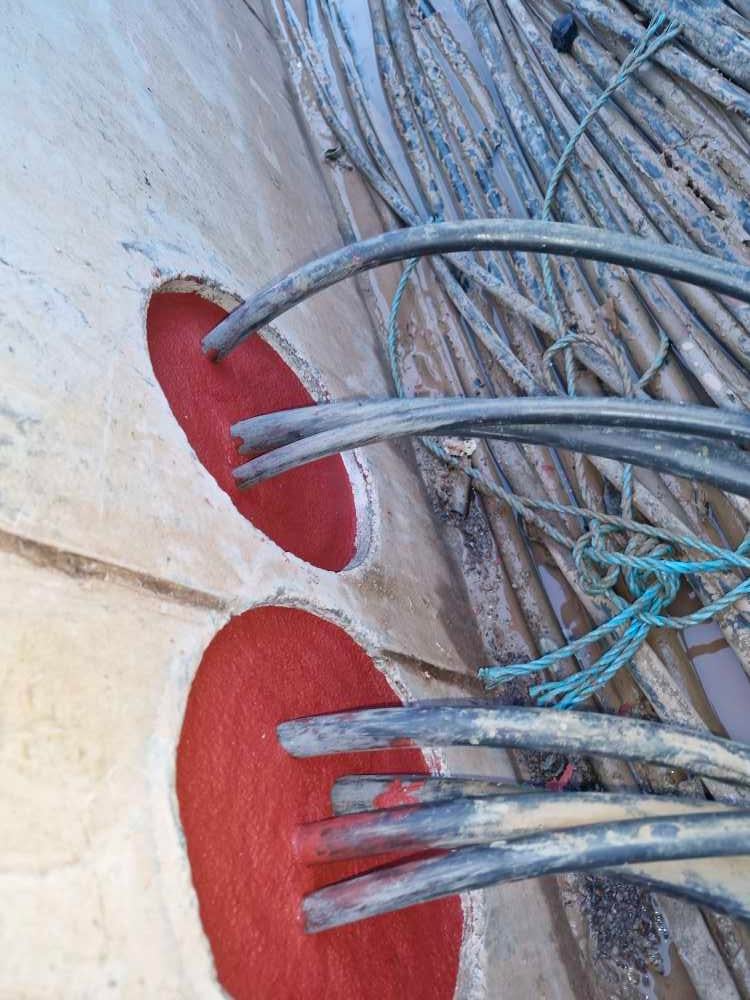
When ducts are installed below the water table, the challenge is doubled. Not only do you need to seal the entry, but you also need to control the running water during installation. Our running water kit gave the contractor a practical way to manage water flow before applying Filoseal+, helping achieve a reliable long-term seal.
The solution:
FILOform supplied the running water kit as part of the sealing method for these below-water-table duct entries.
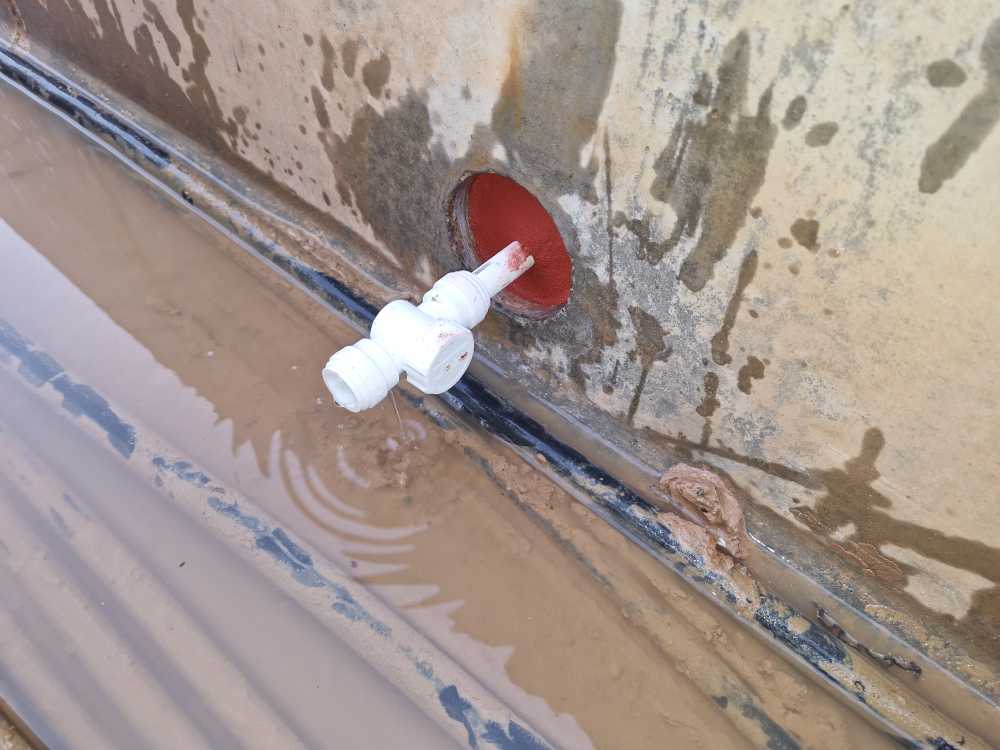
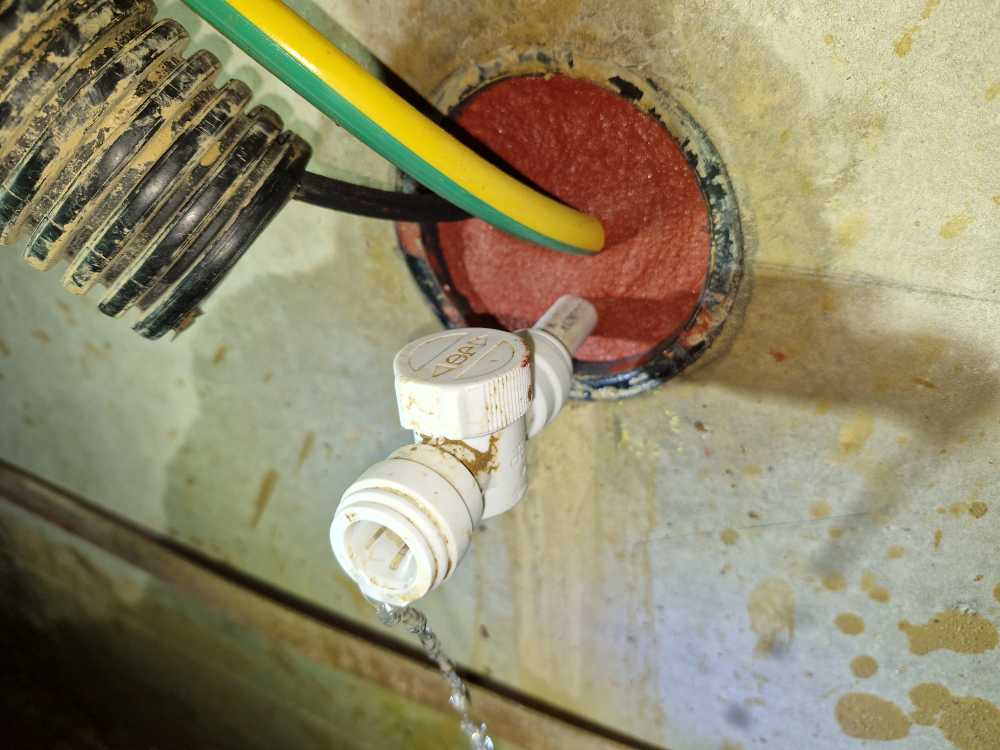
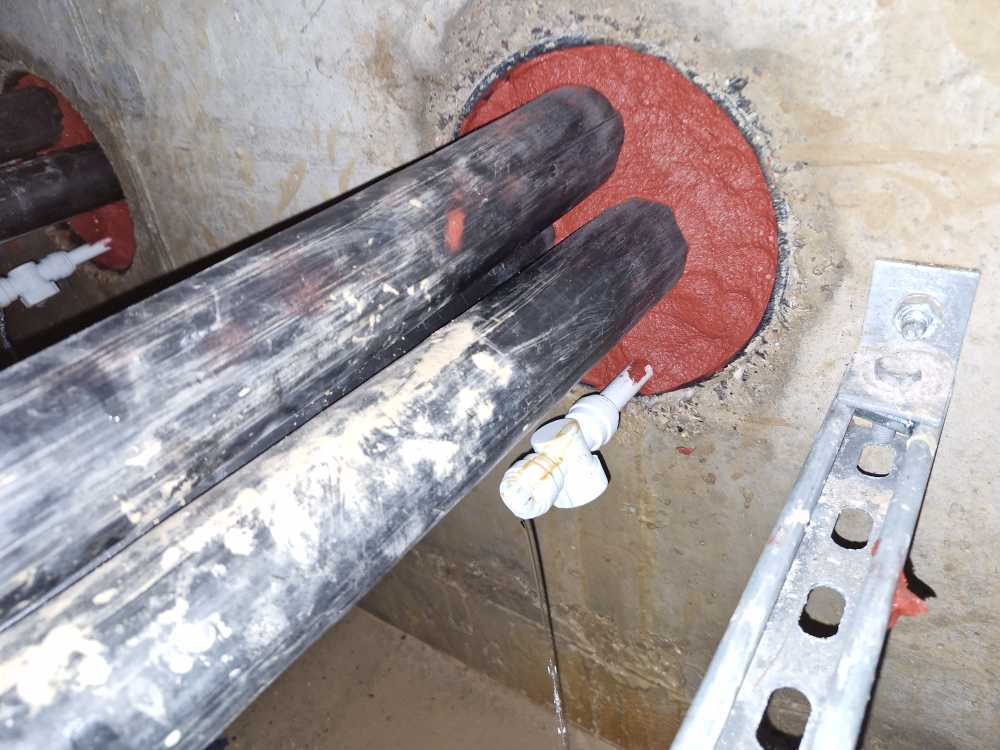
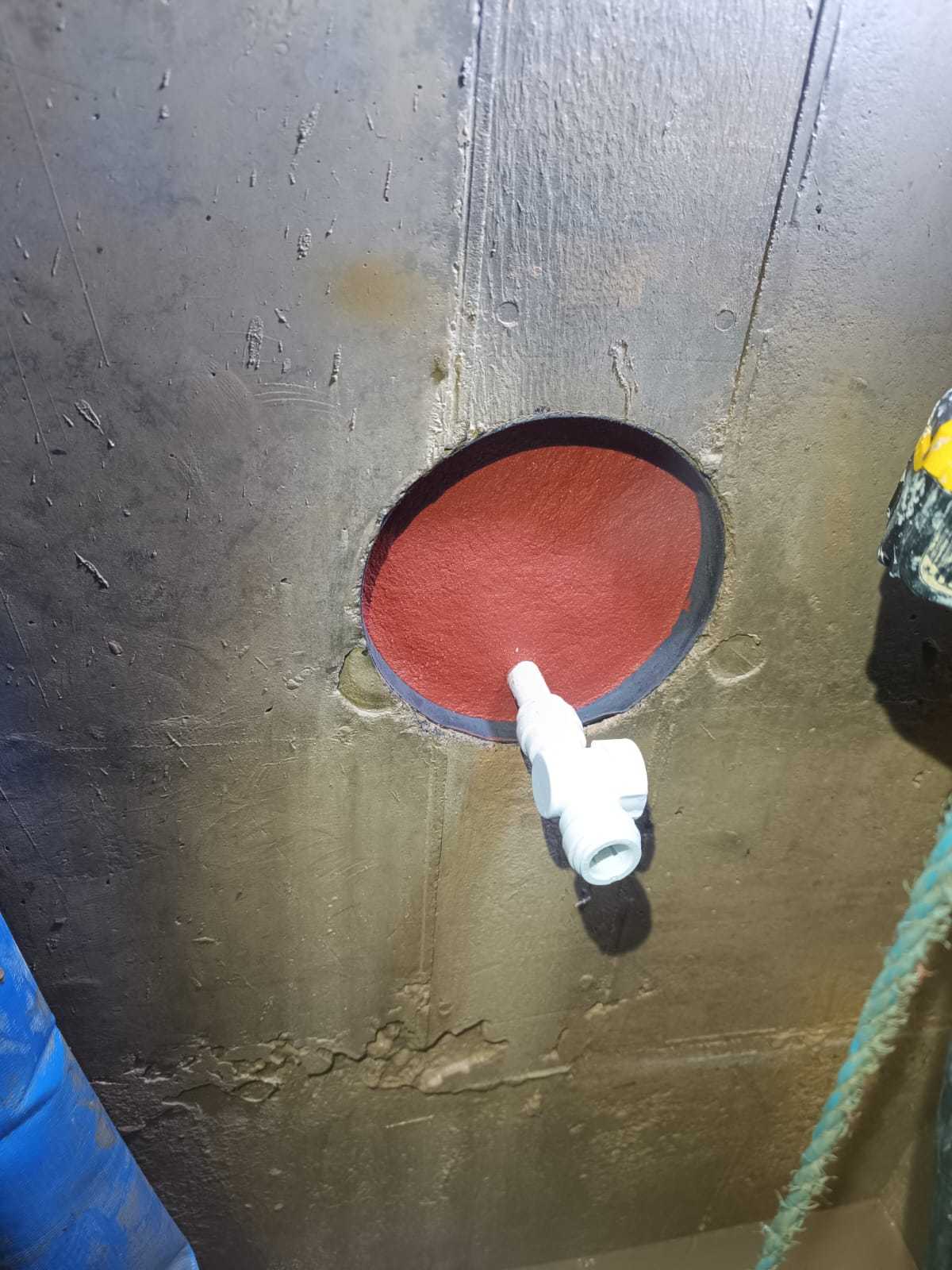
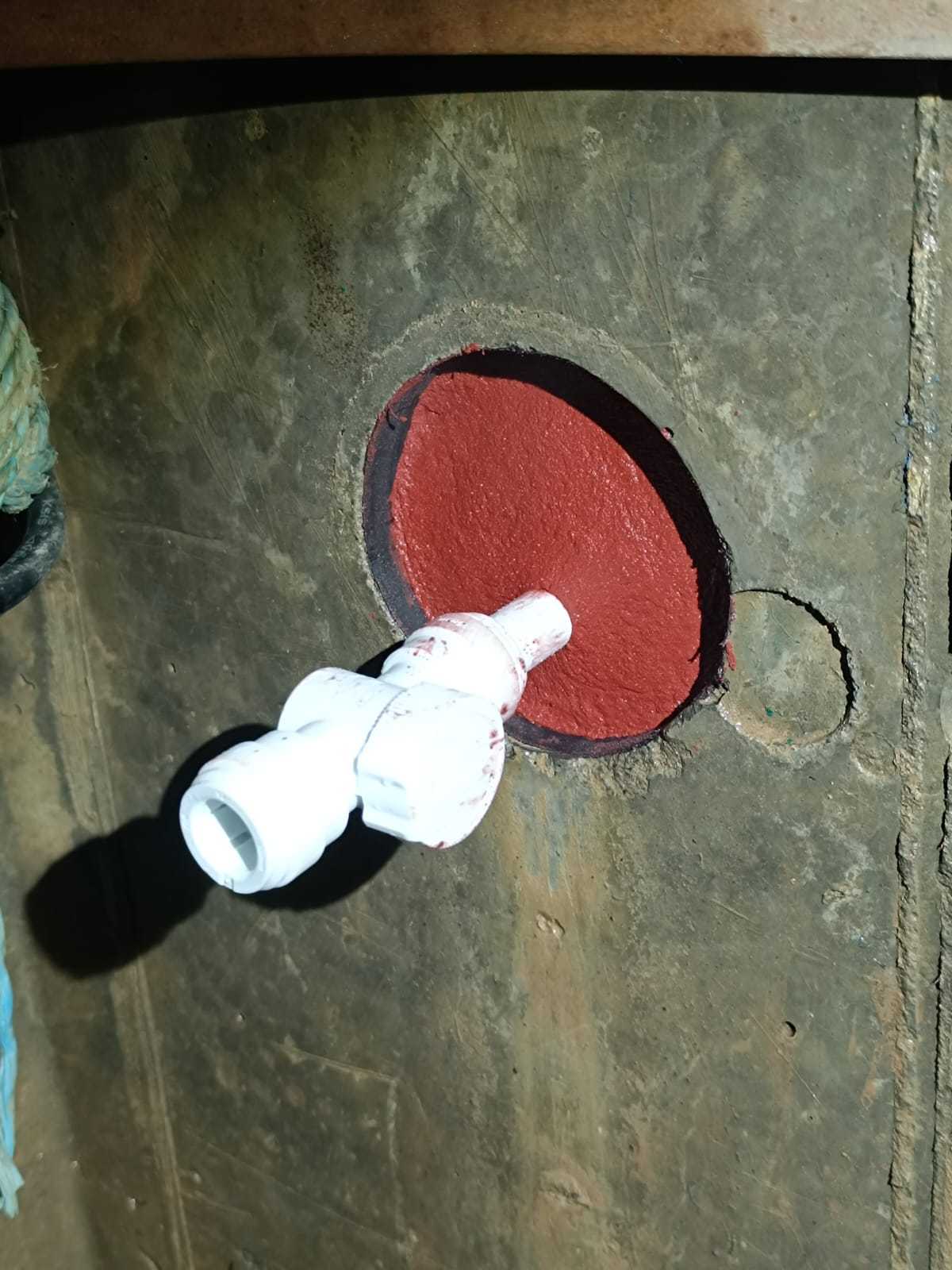
The kit was used to deal with running water in the duct while the permanent seal was being installed. A temporary water block was created inside the duct using non-hardening plastic waterproofing sealant (damming putty) and tap components, allowing the installer to control the water flow during the sealing process.
This approach helped prevent running water from compromising the permanent sealing system during installation. Once that troublesome water flow had been controlled, Filoseal+ was fitted in front of the water block on a clean, dry section of duct. (In line with the installation method for the system.)
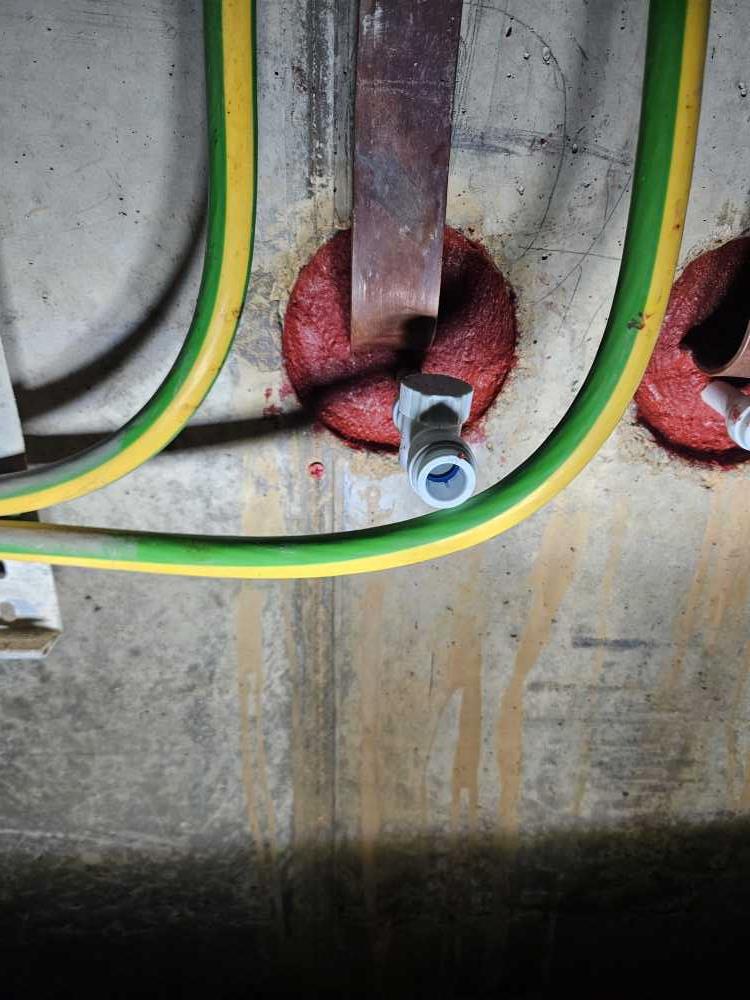
Then, after the curing period, the tap was turned off. This allowed the contractor to complete the duct sealing works in difficult wet conditions, without water pressure compromising the finished seal.
This project demonstrates the importance of building around actual site conditions. Here, the installation methodology was specifically engineered to accommodate and mitigate water ingress from day one.
Les principaux avantages du projet étaient les suivants :
- Controlled sealing in ducts affected by running water
- A practical method for sealing below-water-table duct entries
- Reduced risk of water compromising the permanent seal during installation
- Filoseal+ installed on a clean, dry section of duct
- Running water controlled before final closure
- Long-term protection against groundwater ingress into the chamber
Installation overview:
- Water ingress: Water can enter the duct due to its position below the water table
- Damming back water: To prevent water from interfering with the seal during curing, you apply putty to the surface of the hex sleeve and insert a drain
- Purpose of the drain: The drain is left open to relieve water pressure, preventing it from pushing the seal out while it cures
- After curing: Once the curing period is complete, the drain is closed/turned off
This method ensures the seal remains intact and effective, even in wet or submerged conditions.
The results:
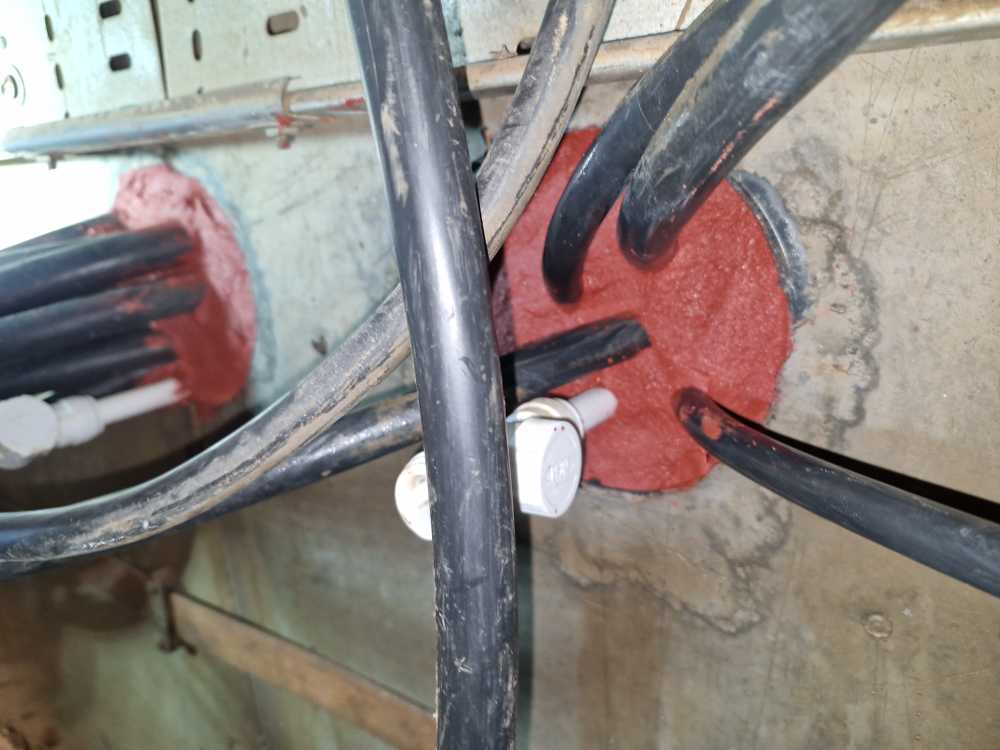
By using the running water kit together with Filoseal+, the contractor was able to complete the duct sealing works in active wet conditions while maintaining the integrity of the permanent seal.
The installation method allowed the team to manage live water at the duct entry, create the right conditions for the permanent seal, and then turn off the tap once curing had been completed. This provided a practical and controlled approach to sealing cable ducts below the water table.
For projects like this, successful water ingress prevention depends on multiple factors. While this absolutely includes the sealing material, it also includes expertise and installation know-how.
In this case, the running water kit helped the contractor deal with the reality of running water in the duct, while still achieving a durable long-term sealing outcome.
Key outcomes:
- Helped prevent groundwater ingress into the chamber
- Controlled running water during installation
- Reduced the risk of seal failure caused by water pressure at the point of entry
- Improved the installation conditions for the permanent seal
- Supported long-term protection of below-ground cable duct penetrations
At FILOform, we’re often asked to support specialist sealing projects where site conditions fall outside the standard detail. That includes the so-called ‘impossible’ sealing situations — live water ingress, difficult environments and unusual duct configurations. In those cases, we work closely with the customer to develop a practical solution designed for long-term performance. This project is just one example of that approach in action.
Get in touch to discuss sealing your next project.
"Les champs obligatoires sont indiqués par un astérisque(*)
![[PRODUCT] Running water kit](https://www.filoform.com/wp-content/uploads/2025/11/duct-seal-running-water-kit.webp)
![[PRODUCT] FILOseal +](https://www.filoform.com/wp-content/uploads/2025/12/md-filoseal-plus-duct-sealing-diagram.webp)
![[SECTOR] Water](https://www.filoform.com/wp-content/uploads/2025/09/water-sector-sealing-solutions.webp)
FAQ
When ducts sit below the water table, groundwater can enter the duct and create pressure at the penetration point. That makes sealing more difficult because water can interfere with adhesion and can also displace an uncured seal.
This approach is suited to below-ground chambers, utility structures and other installations where cable ducts or service penetrations are exposed to groundwater and active water ingress.
The running water kit is used where running water is present in the duct and needs to be controlled before a permanent sealing system is installed. It helps prevent water from affecting the seal during installation.
The system creates a temporary water block inside the duct using damming putty and tap components. This controls the water flow so Filoseal+ can be installed in front of it on a clean, dry section of duct.