





Als mensen nadenken over de beveiliging van een datacenter, richten ze zich meestal op de voor de hand liggende systemen, zoals UPS, koeling en brandblussystemen.
Toch is er één cruciaal aspect van de beveiliging van datacenters dat vaak veel minder aandacht krijgt: het afdichten van kabels.
Moderne hyperscale-faciliteiten kunnen tienduizenden kabeldoorvoeren bevatten die stroom, glasvezel en communicatie-infrastructuur door het hele gebouw leiden. Elk van die doorvoeren kan de integriteit van de faciliteit in gevaar brengen als deze niet correct is afgedicht.
De echte uitdaging hier is dat er niet één enkele oplossing bestaat voor het afdichten van kabels in datacenters. Verschillende delen van het gebouw brengen verschillende technische uitdagingen met zich mee, wat betekent dat voor verschillende kabeltracés verschillende afdichtingsstrategieën nodig zijn.
Inzicht in deze verschillen is essentieel om de juiste specificaties op te stellen en betrouwbare prestaties te garanderen gedurende de gehele levensduur van de installatie.
Weetje: een hyperscale-datacenter kan maar liefst 100.000 mijl aan bekabeling bevatten, als je zowel de externe kabeltrajecten als het interne netwerkweb meerekent.
Bron
Waarom is kabelafdichting belangrijk in een datacenter?
Elke kabeldoorvoer vormt een opening in de bouwconstructie.
Als deze openingen niet worden afgedicht of onjuist worden gespecificeerd, kunnen ze veel meer gevolgen hebben dan alleen voor de kabel zelf.
Afhankelijk van hun locatie kan het nodig zijn dat afdichtingssystemen helpen bij:
Hoewel deze doelstellingen allemaal bijdragen aan de veerkracht van een datacentrum, gelden ze zelden in gelijke mate voor elke doorvoer. De afdichtingsvereisten hangen daarentegen volledig af van de locatie van het kabeltraject en de functie die het binnen het gebouw vervult.
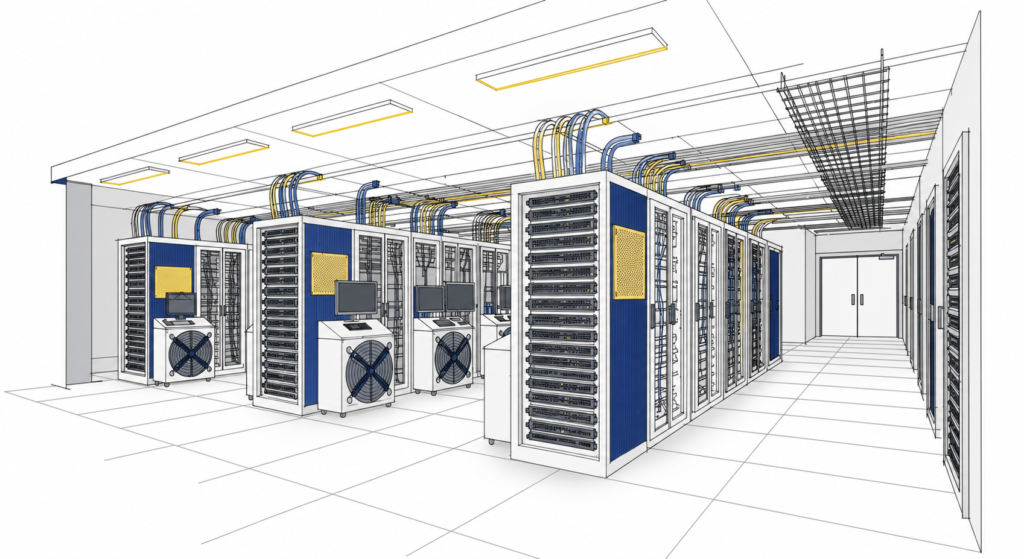
Verschillende locaties brengen verschillende technische uitdagingen met zich mee
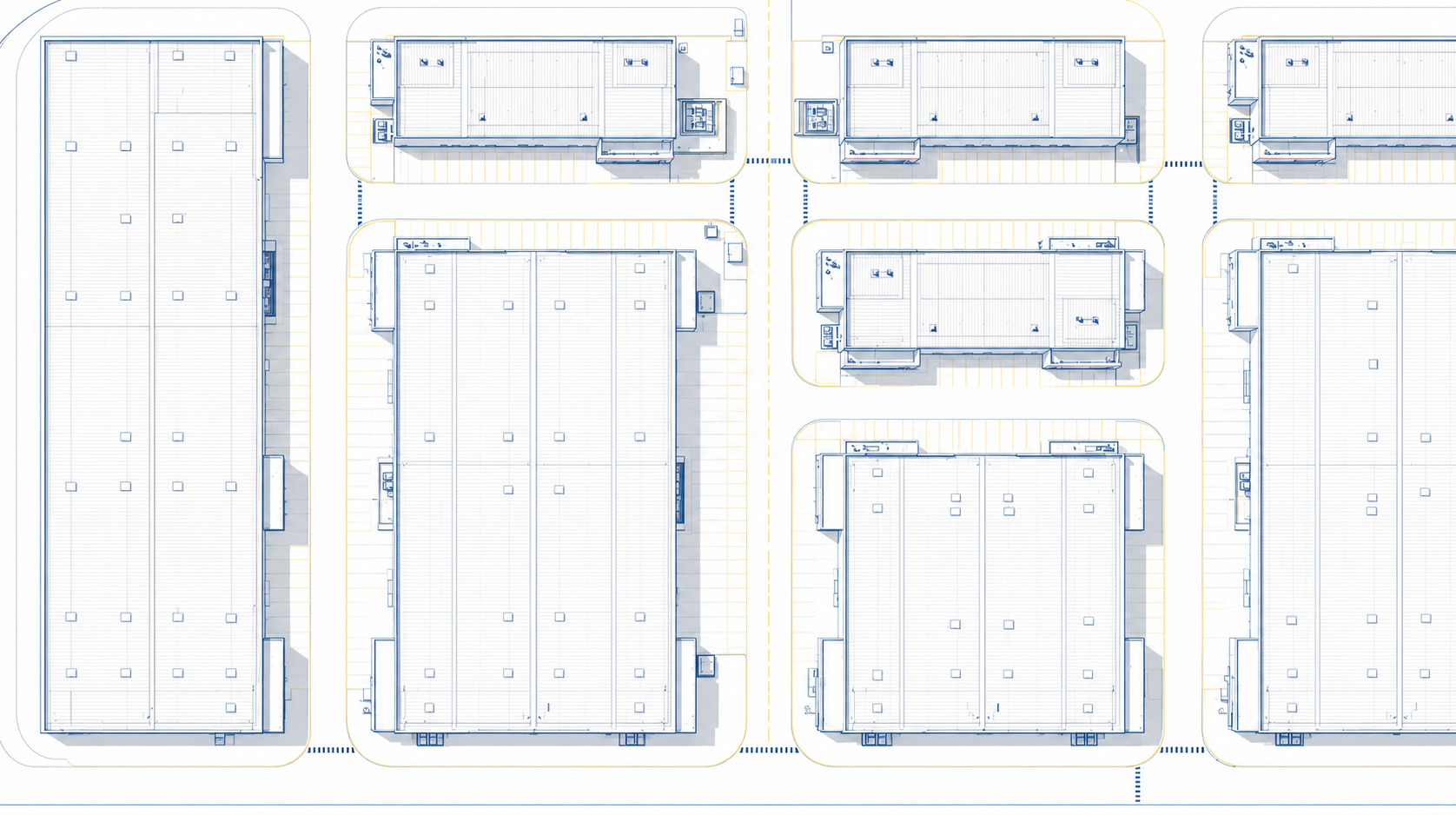
Het is handig om een datacenter niet als één omgeving te zien, maar als een verzameling zorgvuldig gereguleerde omgevingen die met elkaar zijn verbonden via een uitgebreid netwerk van kabeltrajecten.
Wat de afdichting betreft, zijn er doorgaans vier gebieden die bijzondere aandacht vereisen.
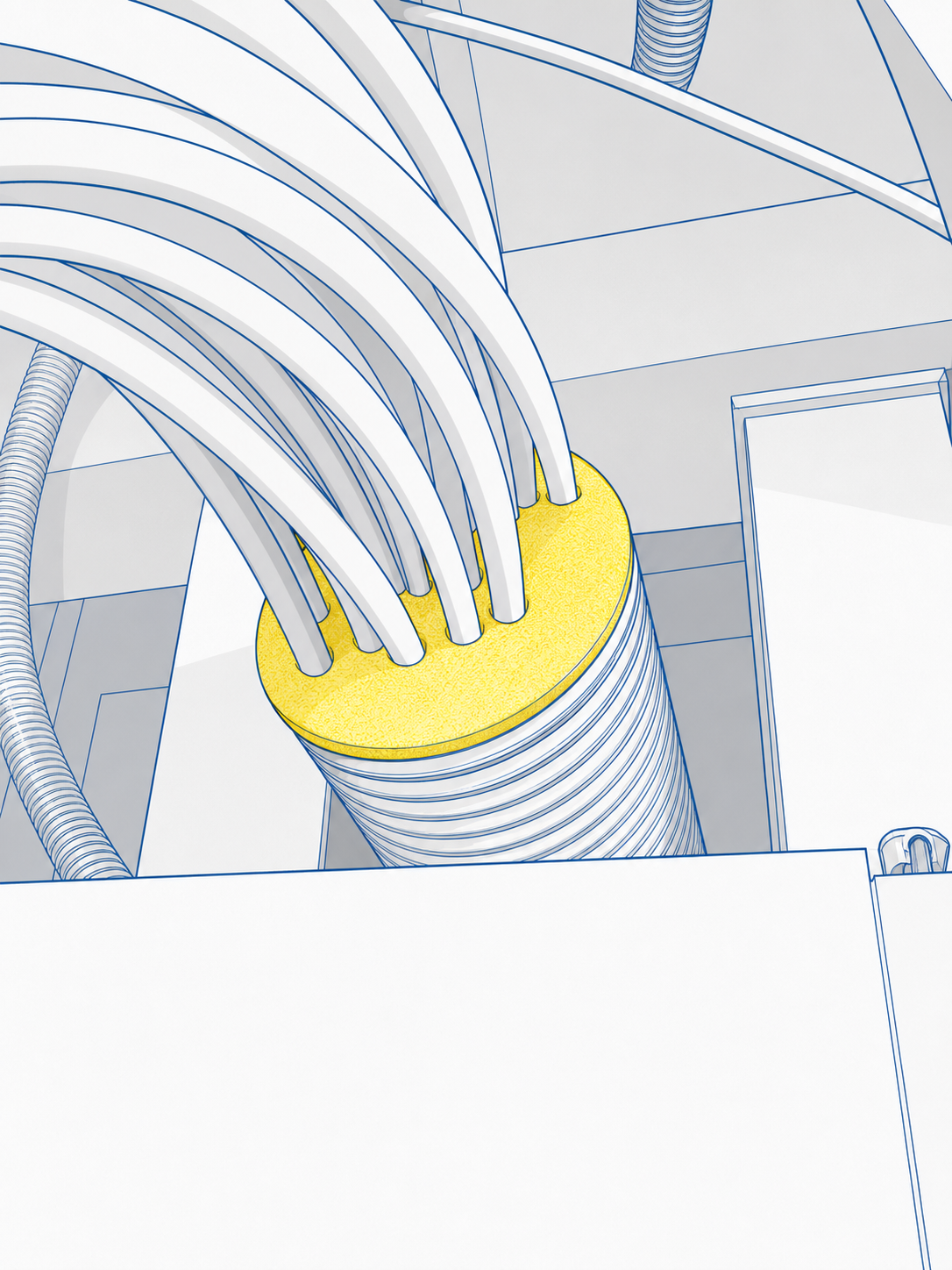
Deze leidingen zorgen voor de distributie van de stroom- en communicatie-infrastructuur door het hele gebouw. Een goede afdichting draagt bij aan een goede luchtstroomregeling, behoudt de koelefficiëntie en beperkt de verspreiding van rook en verontreinigende stoffen mocht er zich een incident voordoen
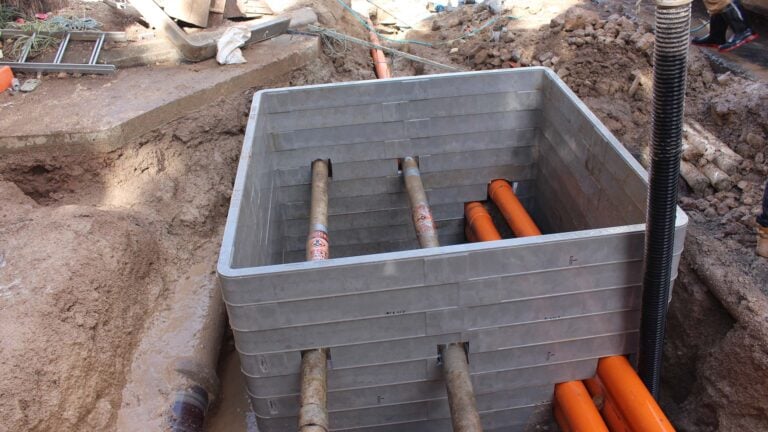
De toevoer van stroom en communicatiediensten vormt cruciale raakvlakken tussen het gebouw en de buitenomgeving. Hier ligt de nadruk vaak op het beschermen van de gebouwschil door het binnendringen van water, stof, milieuverontreinigende stoffen en onbevoegde toegang te voorkomen.
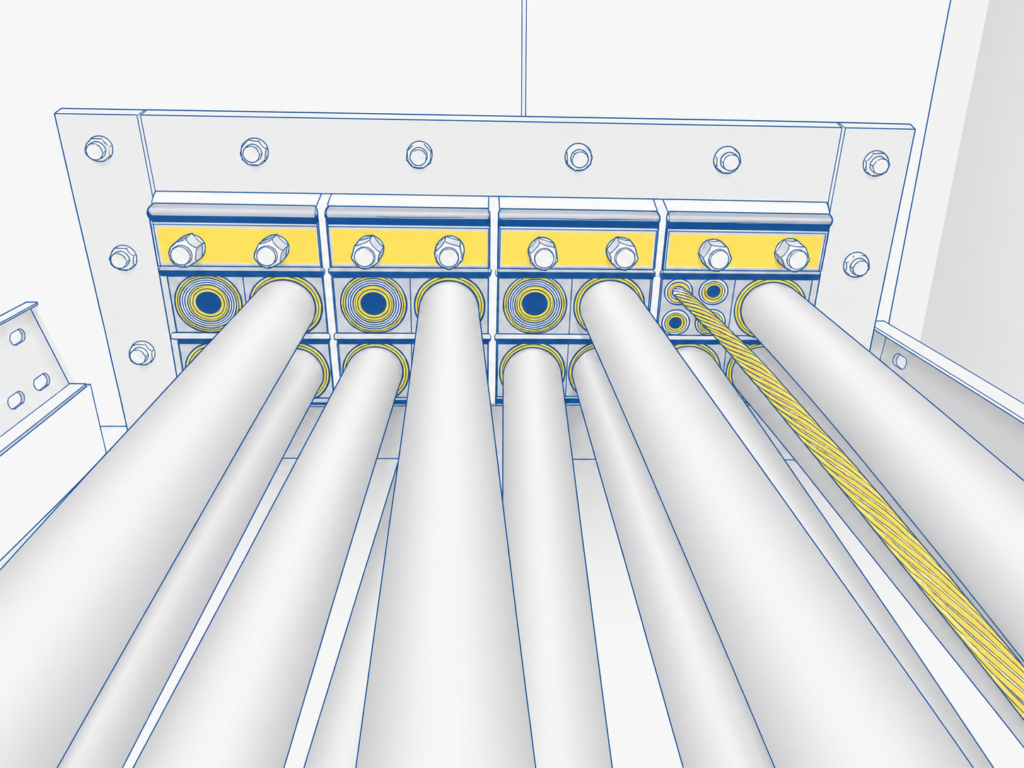
Aangezien kabels tussen serverruimtes, elektriciteitsruimtes en andere gecontroleerde omgevingen lopen, speelt afdichting een belangrijke rol bij het handhaven van de brandcompartimentering en het waarborgen van de integriteit van elke ruimte.
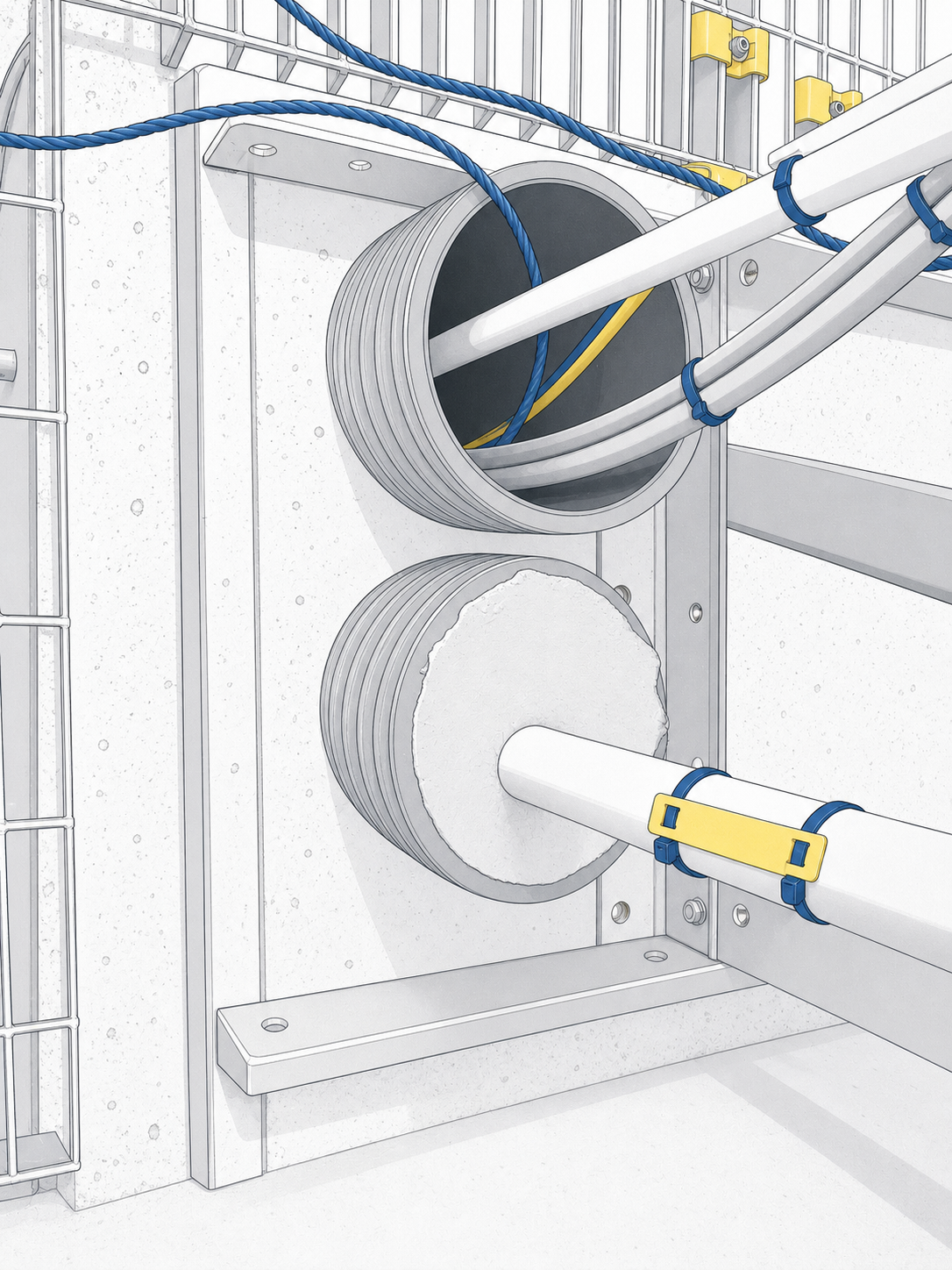
Elke doorvoer door een muur of vloer vormt een potentieel zwak punt als deze niet wordt aangepakt. Goed ontworpen afdichtingssystemen zorgen ervoor dat deze openingen blijven voldoen aan de prestatie-eisen van de omringende constructie.
Interne en externe doorvoeren zijn niet hetzelfde
Een van de meest voorkomende misvattingen is dat elke kabeldoorvoer dezelfde functie heeft.
In werkelijkheid zijn interne en externe penetratietests vaak bedoeld om bescherming te bieden tegen totaal verschillende risico’s.
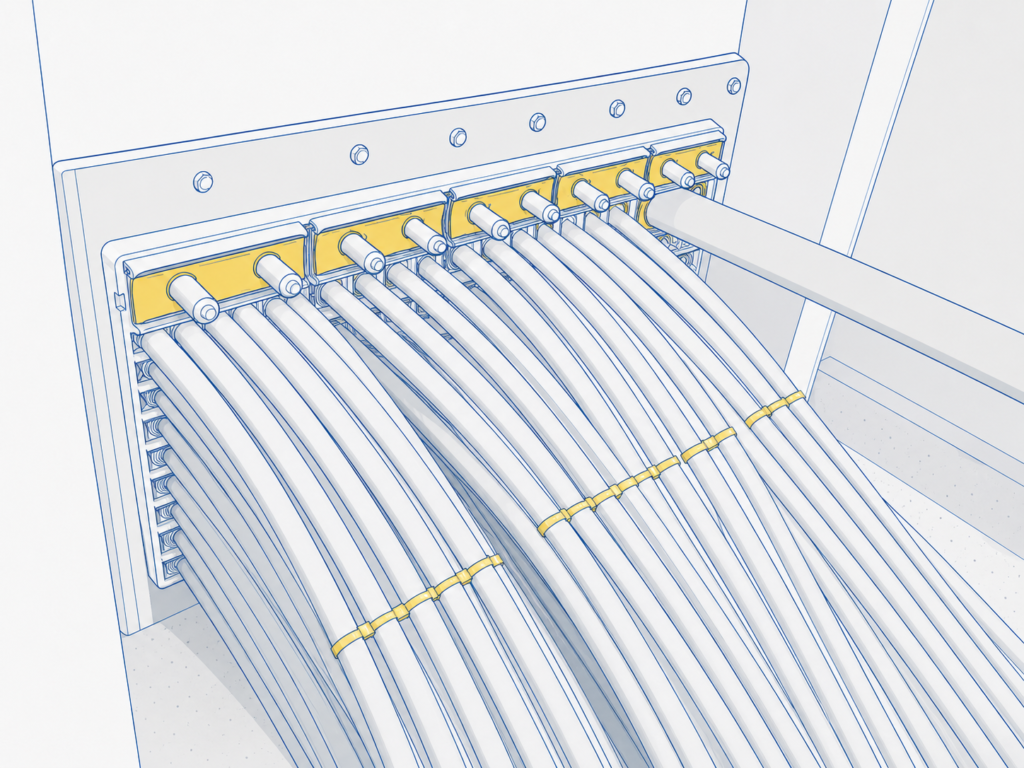
Interne doorvoeren
Wanneer kabels tussen ruimtes of brandcompartimenten lopen, ligt de prioriteit doorgaans bij het handhaven van de brandveiligheidsstrategie van het gebouw.
Het afdichtingssysteem zorgt ervoor dat:
– Zorg ervoor dat de compartimentering behouden blijft
– De verspreiding van vuur en rook beperken
– De integriteit van brandwerende muren en vloeren behouden
– Ondersteuning bij het naleven van de geldende bouwnormen
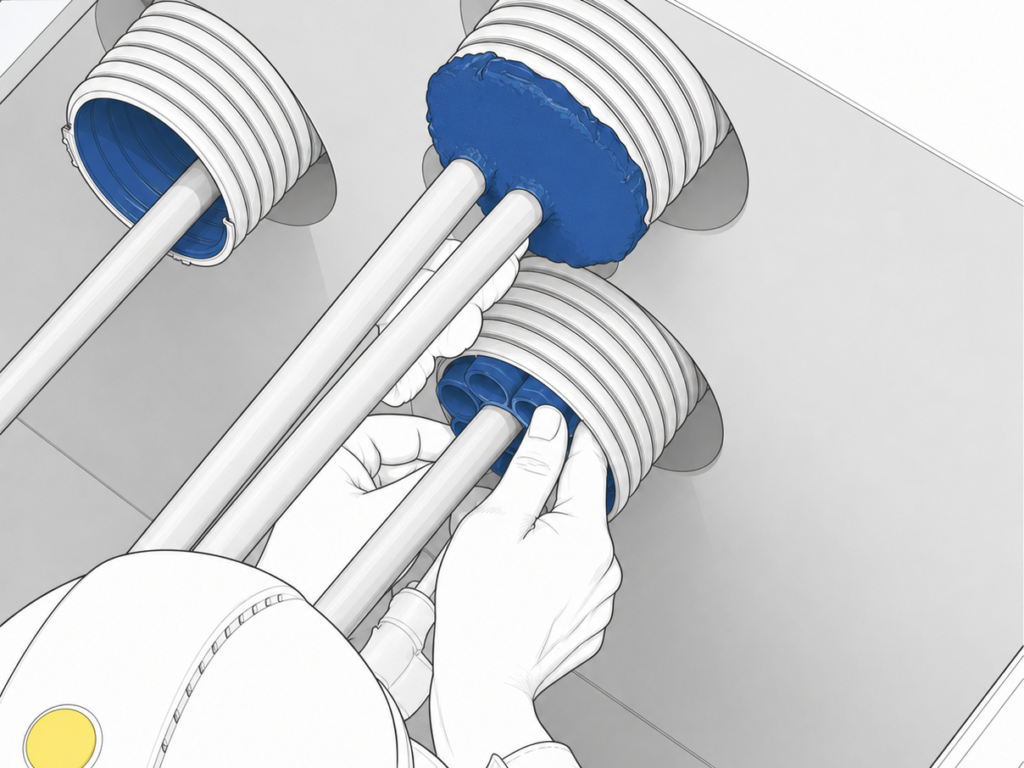
Externe doorvoeren
Op de plaatsen waar diensten het gebouw binnenkomen of verlaten, verschuiven de prioriteiten.
In plaats van interne brandcompartimenten in stand te houden, is het afdichtingssysteem eerder gericht op het beschermen van het gebouw tegen:
– Waterinsijpeling
– Stof en verontreinigende stoffen in de lucht
– Ongedierte en schadelijke dieren
– Blootstelling aan omgevingsfactoren
– Ongeautoriseerde toegang
Hoewel bij beide toepassingen kabelafdichting nodig is, zijn daarvoor zelden identieke afdichtingsoplossingen vereist. Om het juiste systeem te kiezen, moet men eerst inzicht krijgen in het doel van elke doorvoer.
Datacenters zijn ontworpen om mee te groeien
Misschien wel het meest over het hoofd geziene aspect van de kabelafdichting in datacenters is dat de installatie die vandaag wordt voltooid, waarschijnlijk niet gedurende de gehele levensduur van het gebouw ongewijzigd zal blijven.
Naarmate de technologie zich verder ontwikkelt en de capaciteit toeneemt, zijn veranderingen in de infrastructuur onvermijdelijk.
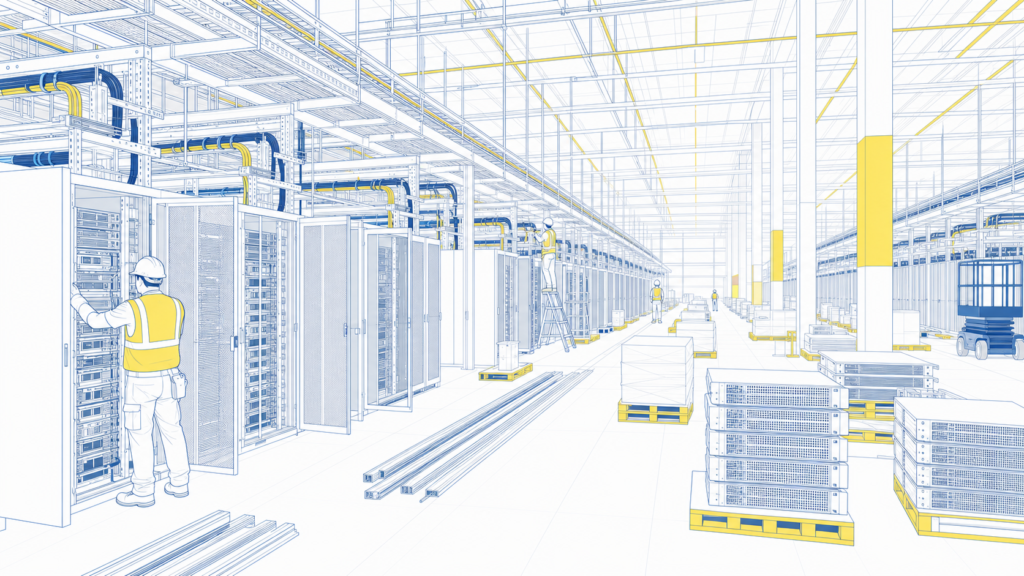
Extra glasvezeltrajecten.
Rekken met een hogere dichtheid.
UPS-upgrades.
Uitgebreide koelsystemen.
Aanvullende beveiligingsinfrastructuur.
Door AI aangestuurde uitbreiding.
Elk van deze ontwikkelingen kan ertoe leiden dat er nieuwe kabels in bestaande tracéën worden aangelegd. Dat roept bij het opstellen van de specificaties een belangrijke vraag op:
Zal er bij deze doorgang ooit ruimte moeten worden gemaakt voor extra kabels?
Als het antwoord ja is (wat waarschijnlijk is), moet bij de afdichtingsstrategie vanaf het begin rekening worden gehouden met toekomstige aanpassingen.
Het nemen van een verkeerde beslissing kan jaren nadat de faciliteit in gebruik is genomen leiden tot onnodige verstoringen, extra werk en vermijdbare kosten.
Wanneer er in de toekomst kabels zullen worden toegevoegd, kunnen heropenbare of modulaire afdichtingssystemen ervoor zorgen dat kabeltrajecten kunnen worden aangepast zonder dat de gehele afdichting hoeft te worden verwijderd of dat de bescherming in het gedrang komt waarvoor de doorvoer oorspronkelijk was ontworpen.
Effectieve toekomstbestendigheid kan niet pas beginnen wanneer de uitbreiding van start gaat – het moet al tijdens de oorspronkelijke specificatiefase beginnen.
De juiste afdichtingsoplossing kiezen
Aangezien elke penetratietest andere prestatie-eisen stelt, is er zelden sprake van een universele oplossing.
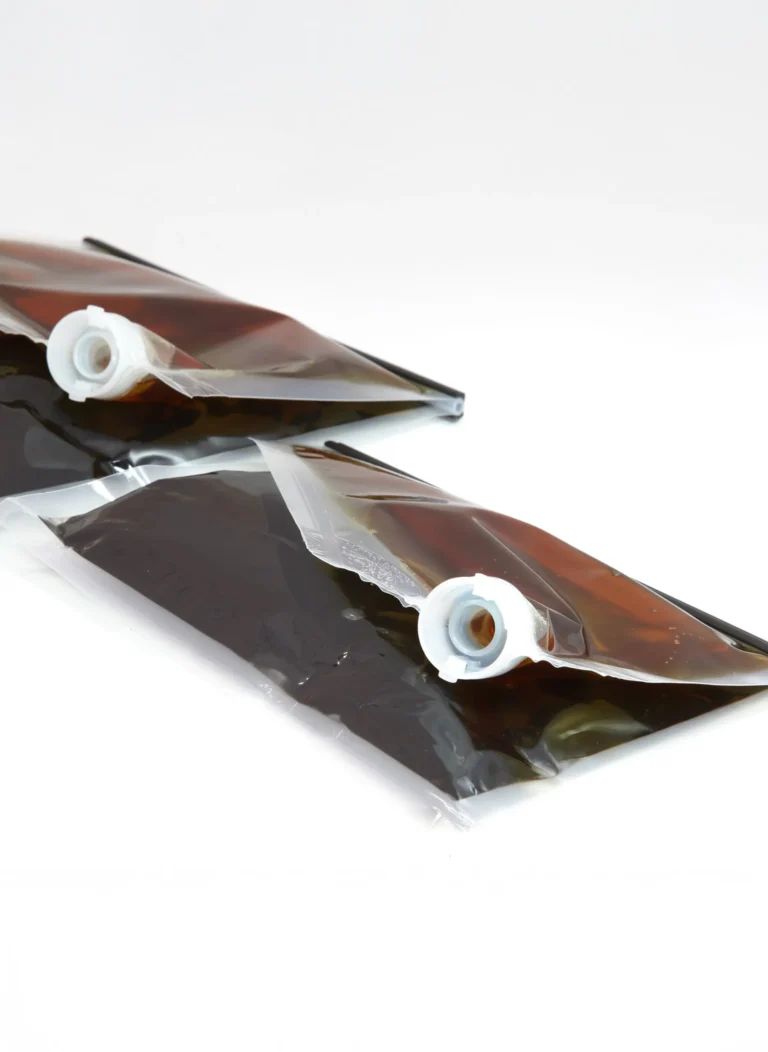
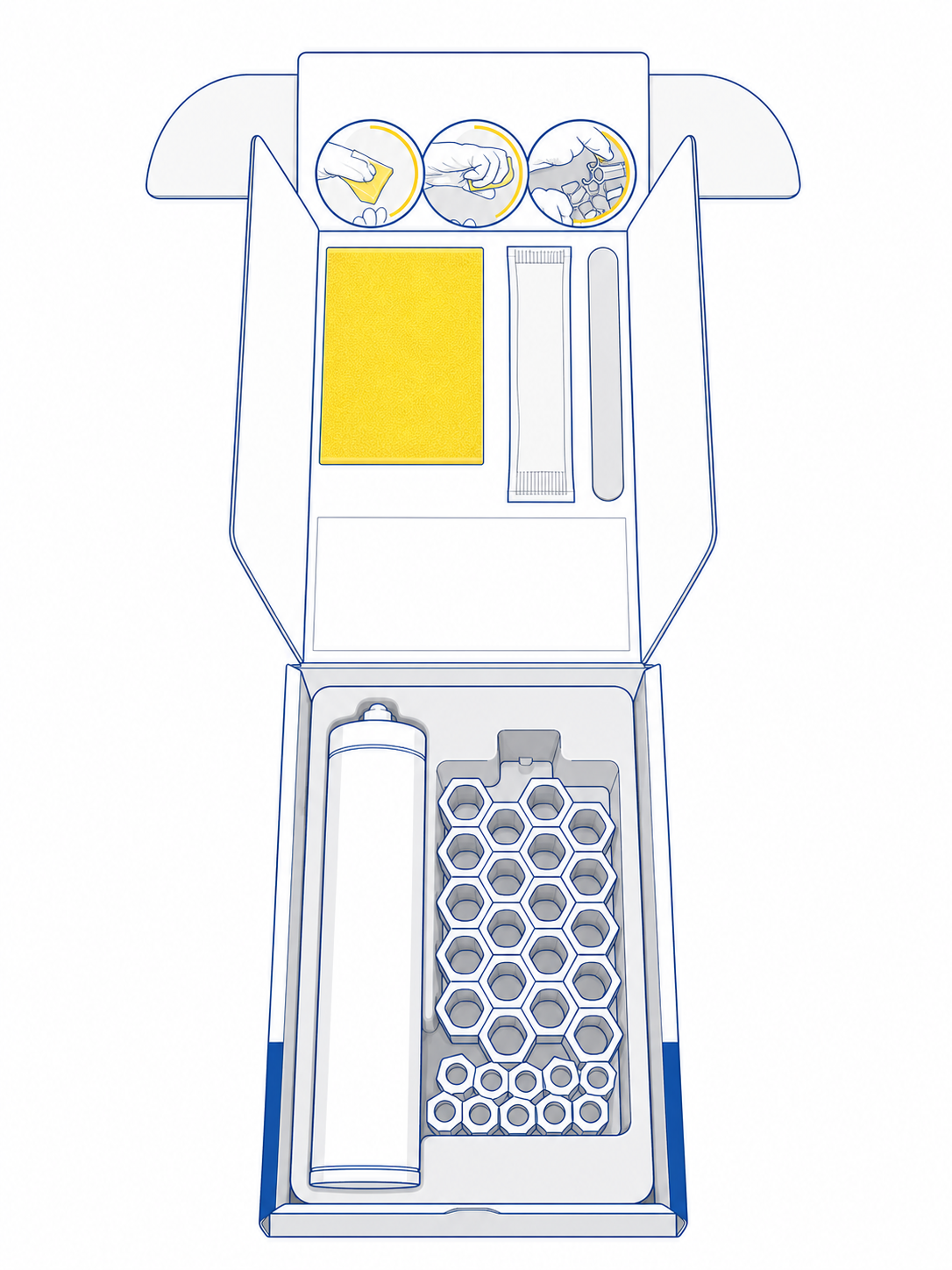
Voor sommige toepassingen zijn permanente chemische afdichtingssystemen zeer geschikt, omdat deze op lange termijn bescherming bieden tegen omgevingsinvloeden.
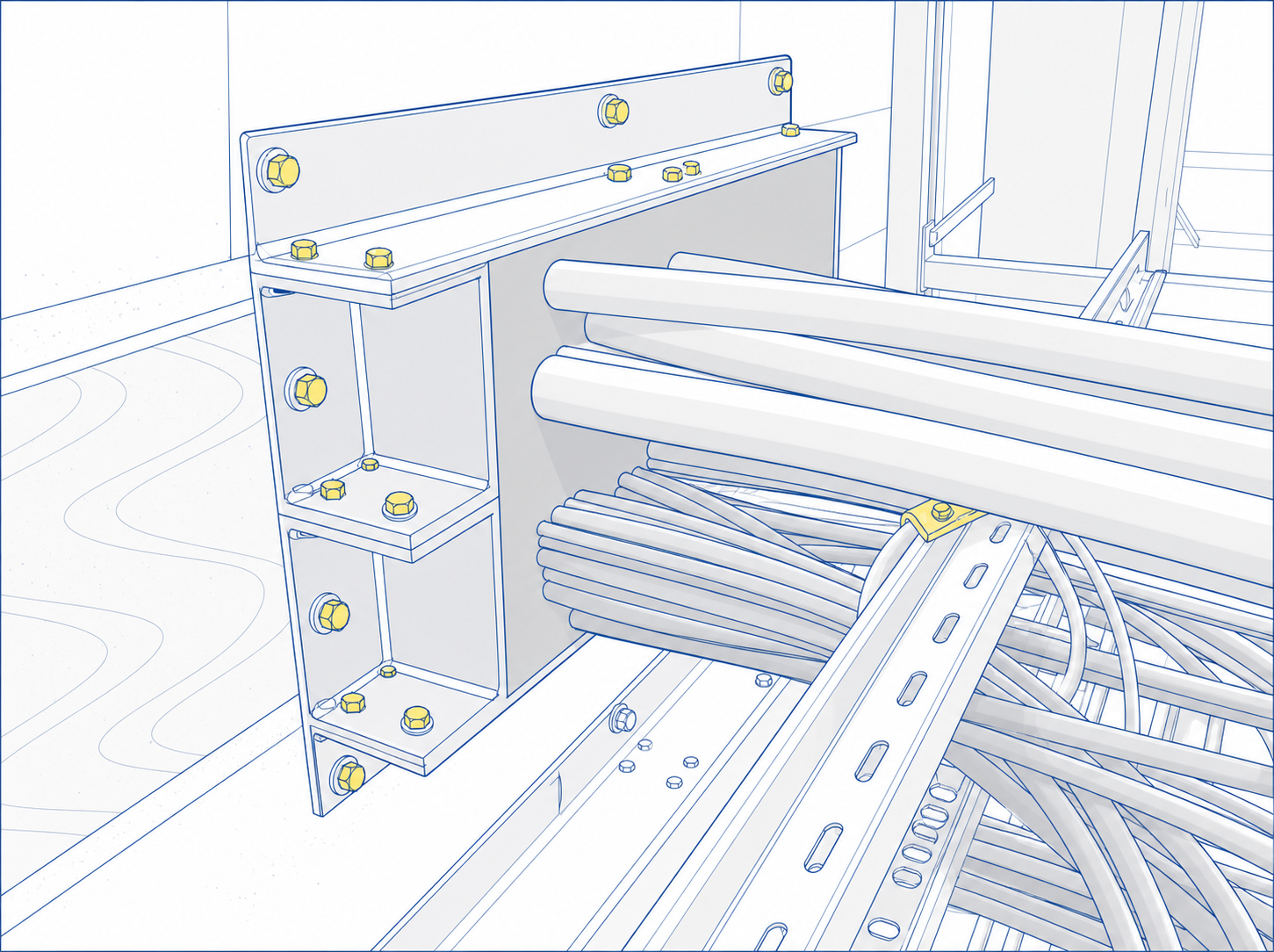
Andere toepassingen vereisen wellicht modulaire mechanische afdichtingen die in de toekomst kunnen worden aangepast naarmate de infrastructuur zich verder ontwikkelt.
De juiste keuze hangt af van een reeks projectspecifieke factoren, waaronder:
Locatie van de doorvoer
Soort en dichtheid van kabels
Brandbestrijdingsstrategie
Blootstelling aan omgevingsfactoren
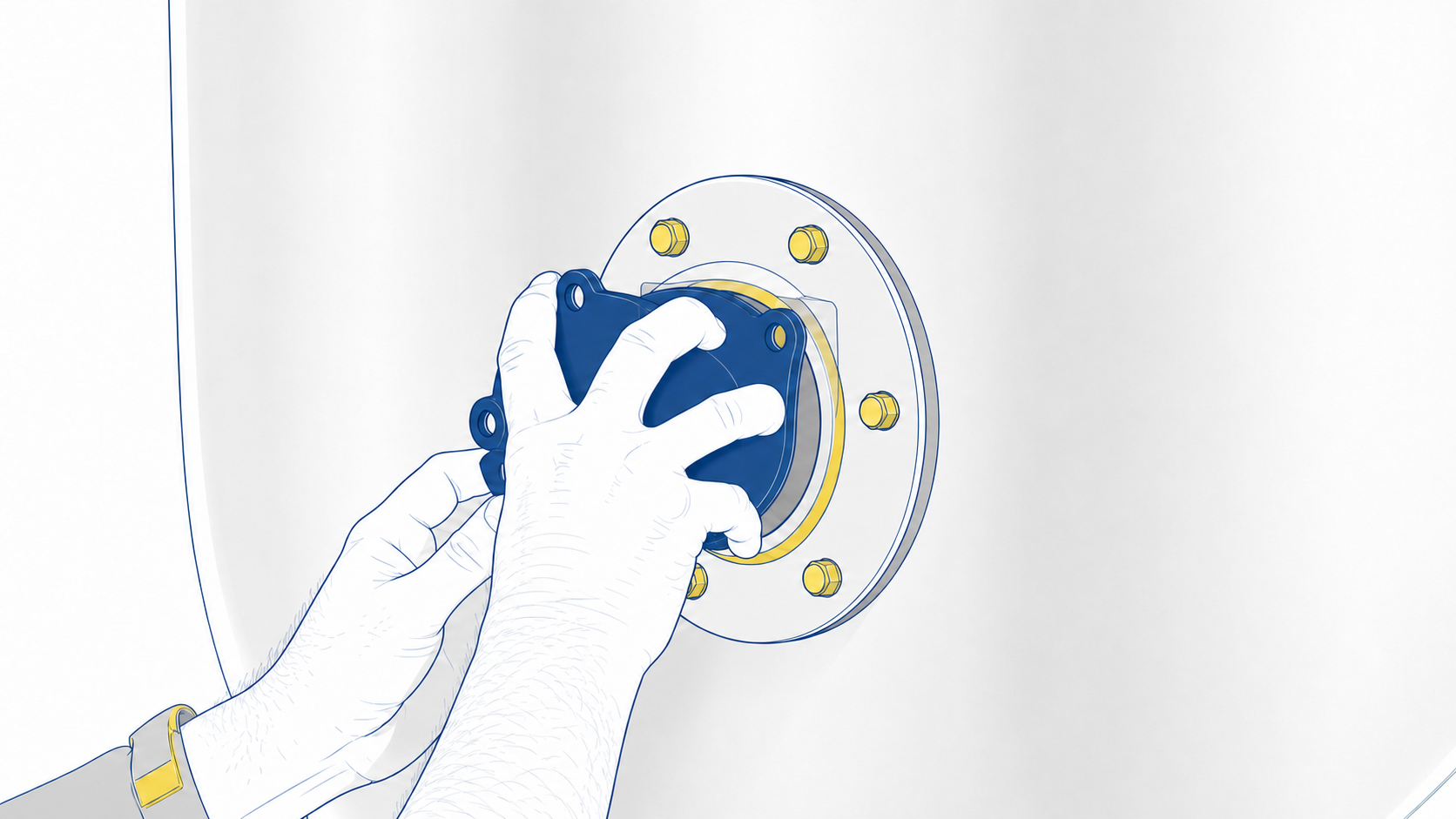
Onderhoudsvereisten
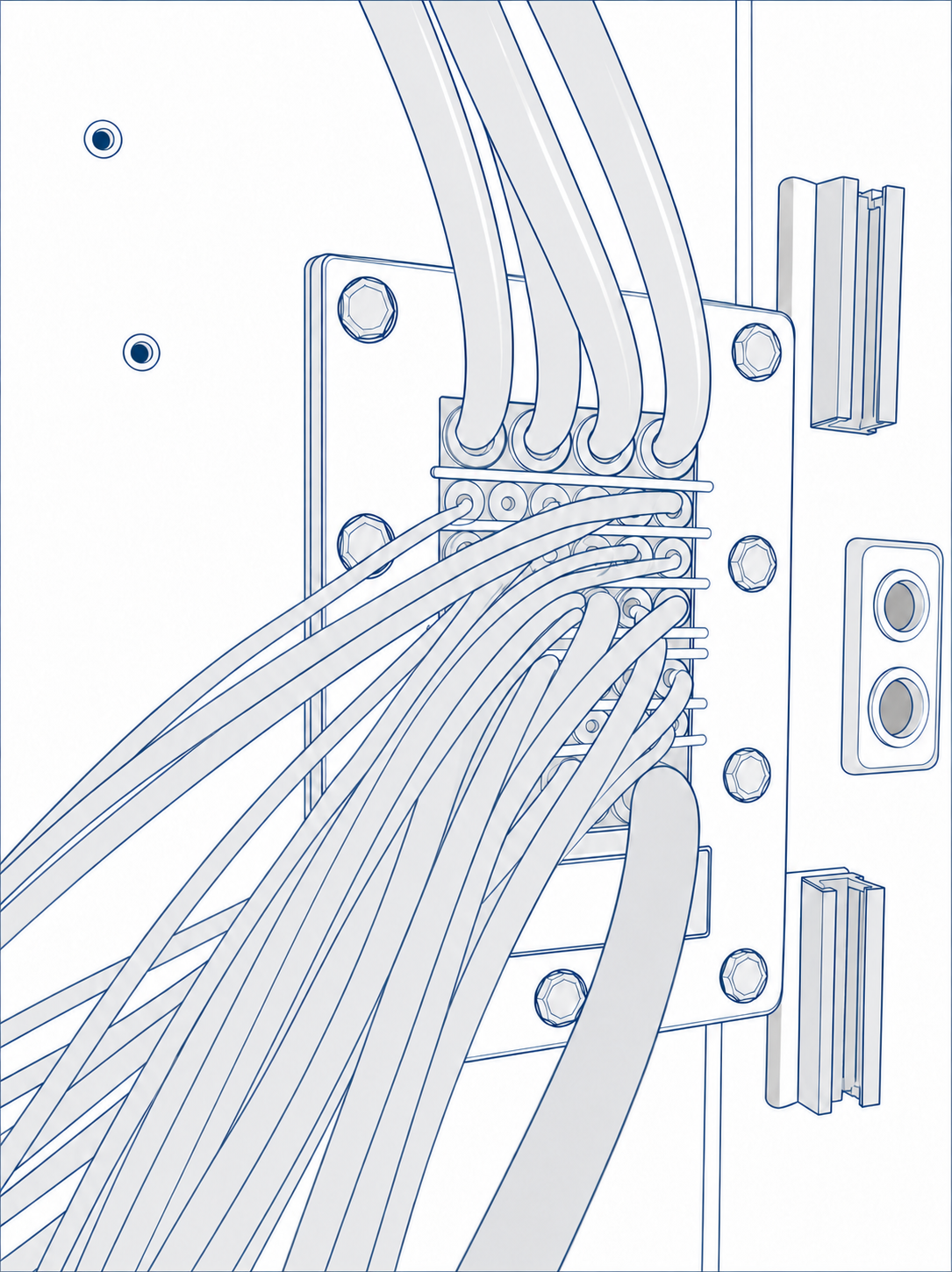
Toekomstige uitbreidingsplannen
Door in een vroeg stadium rekening te houden met deze factoren, kan worden gewaarborgd dat het afdichtingssysteem gedurende de gehele levensduur aan de operationele eisen van de installatie voldoet.
Waarom technische expertise belangrijk is
Het afdichten van kabels in datacenters is een gespecialiseerd vakgebied.
Hiervoor is kennis nodig van de prestaties van gebouwen, brandbestrijdingsstrategieën, milieubescherming en de ontwikkeling op lange termijn van kritieke infrastructuur.
Bij FILOform werken we samen met adviseurs, ontwerpers en aannemers om specificaties voor kabelafdichting te ontwikkelen die aansluiten bij de unieke eisen van elke toepassing.
De FILOform-productlijn voor de datacentersector is uiterst veelzijdig. Deze omvat een volledig assortiment aan opties, variërend van permanente en hergebruikbare chemische afdichtingssystemen tot modulaire mechanische oplossingen en een reeks producten die zijn ontworpen om de kabelinfrastructuur gedurende de gehele levenscyclus van een datacenter te beschermen.
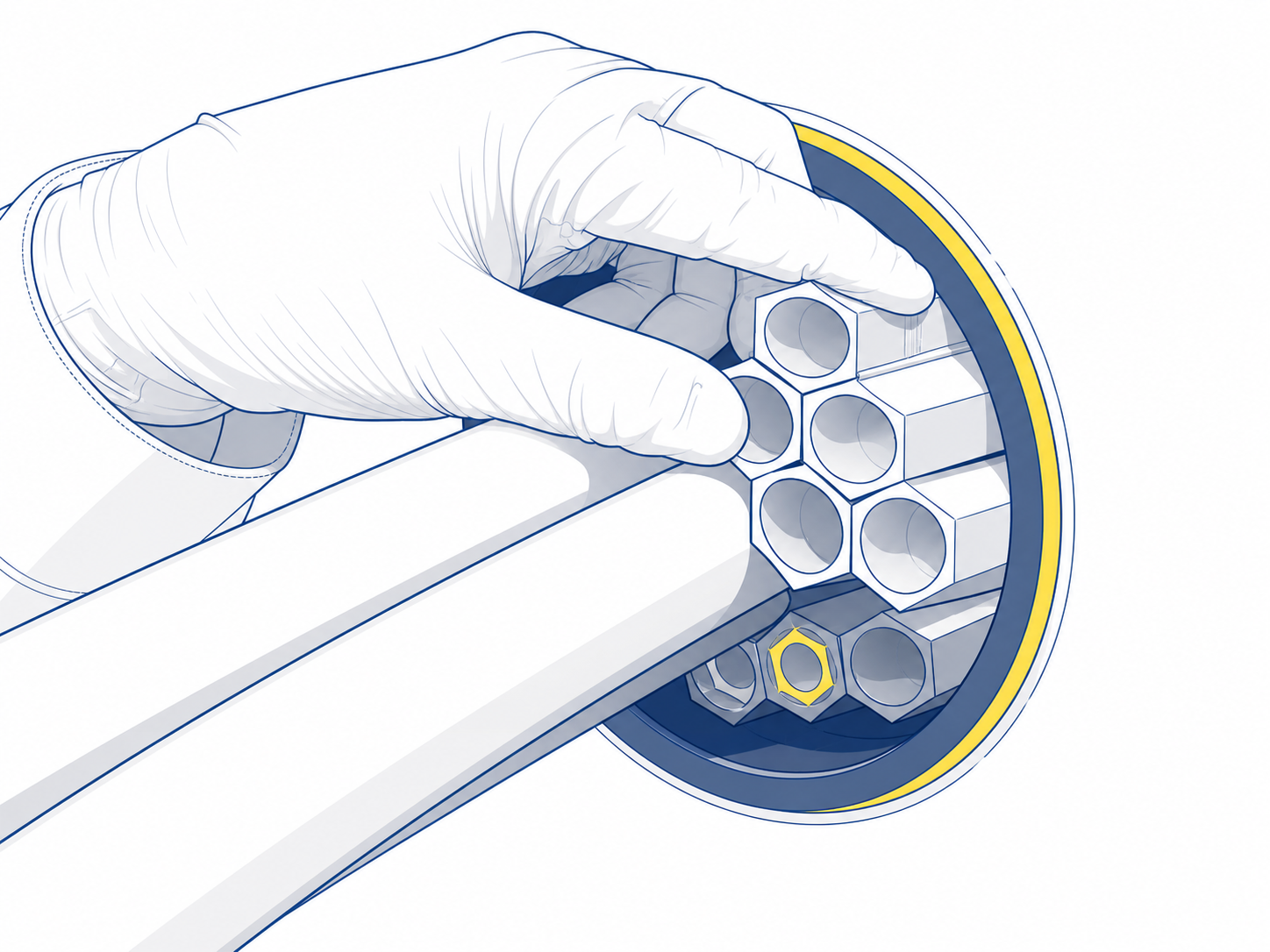
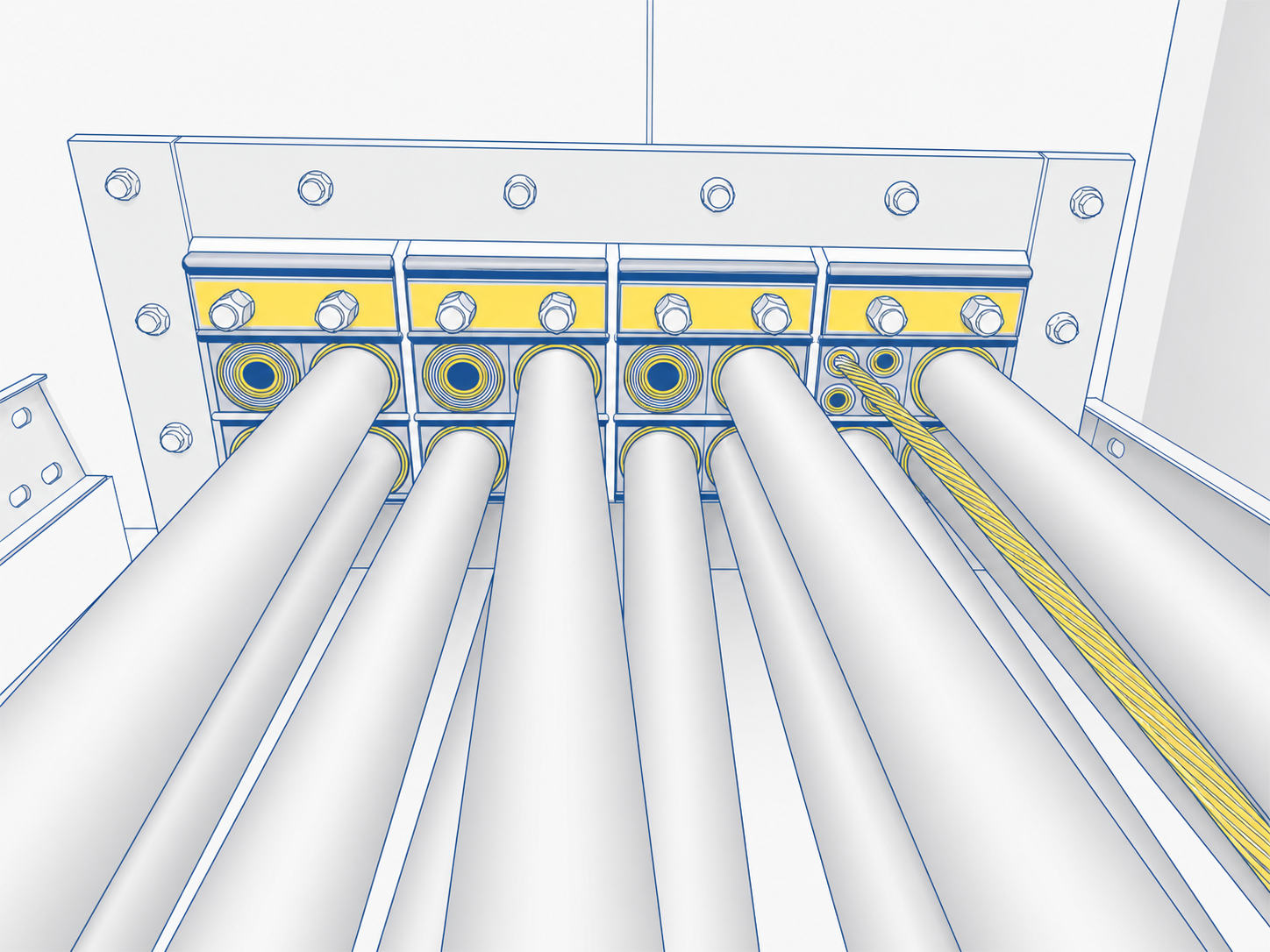
Of u nu een nieuwe hyperscale-faciliteit ontwerpt of een bestaande uitbreidt, het doel blijft hetzelfde: de juiste afdichtingsoplossing voor de toepassing kiezen.
Mocht u het gesprek over de afdichting van datacenters willen voortzetten, dan staan onze technische experts voor u klaar.
Wij beschikken over de producten, de ervaring en de technische expertise om u te helpen het goed aan te pakken.

Neem contact op:
"*" geeft verplichte velden aan