



Sector:
The project:
- Environmental and fire-rated sealing of cable penetrations at a UK data centre development
The client:
- Confidential UK-based data centre


The challenge:
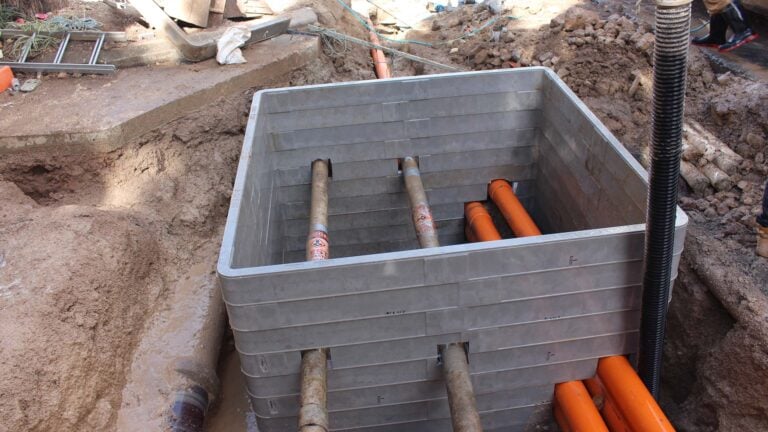
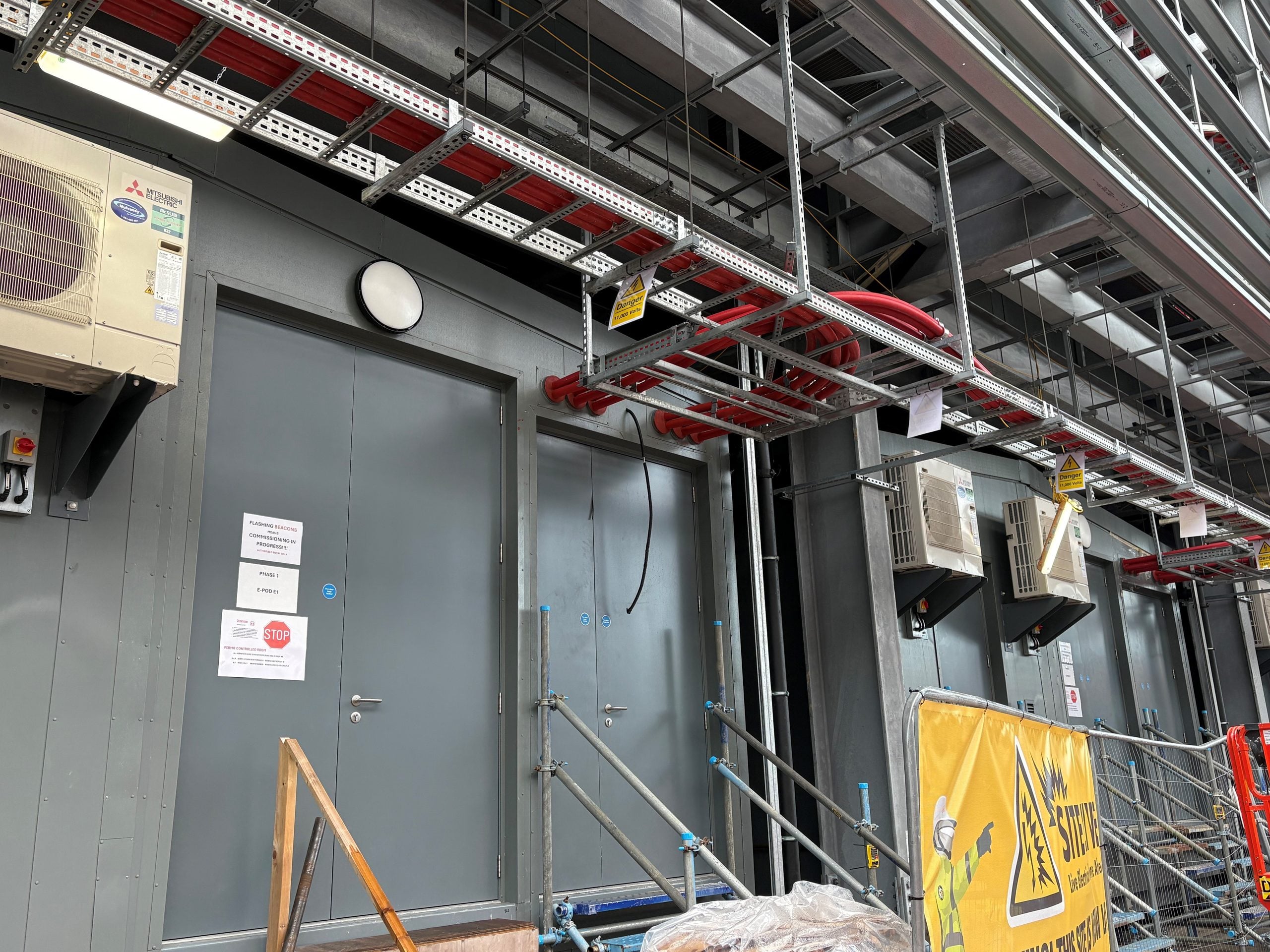
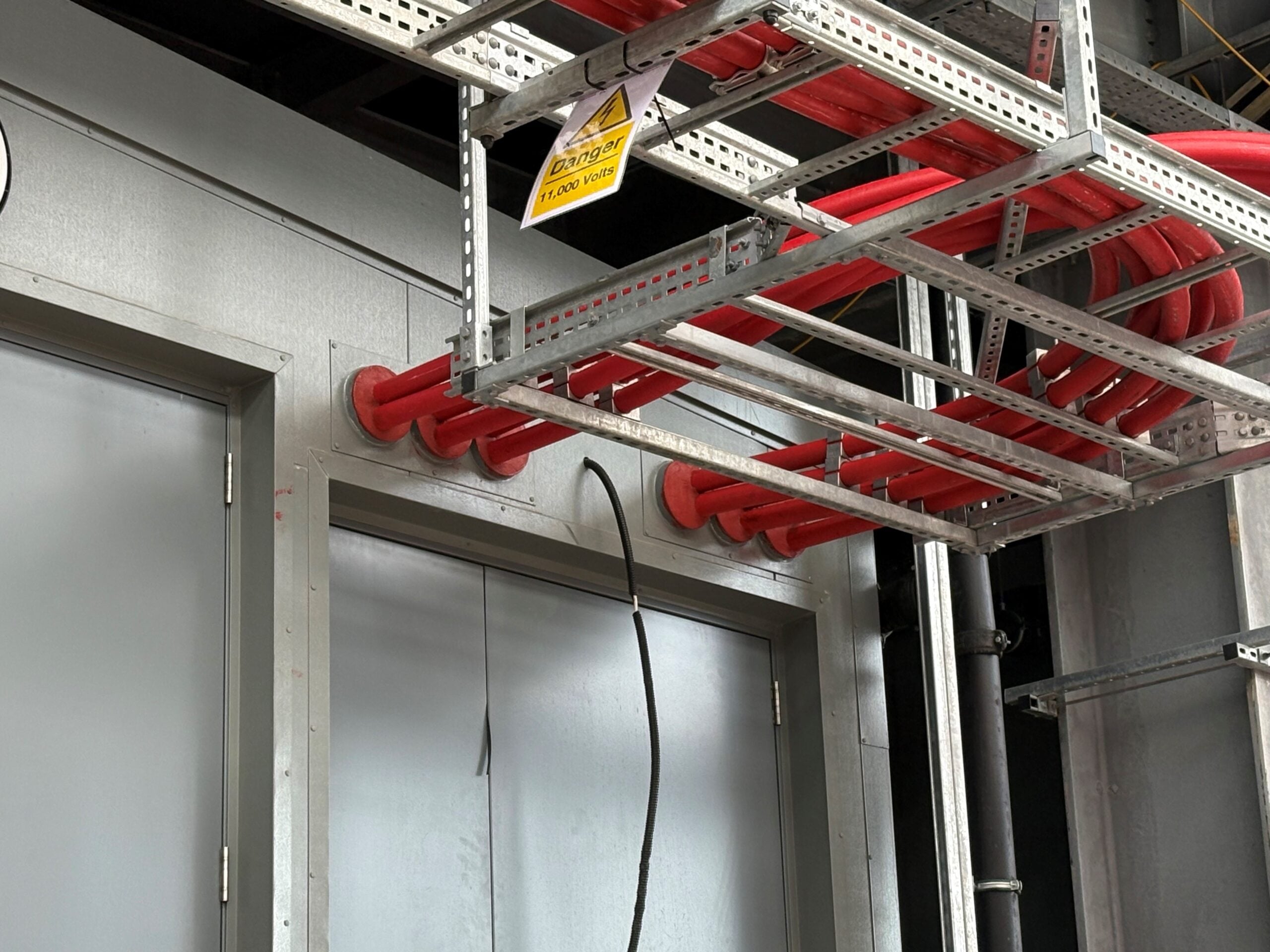
Data centres can’t afford downtime. Water – or any other form of ingress – getting inside via an unsealed cable penetration presents a real risk to the whole facility. This risk is particularly pertinent where high-voltage cabling passes through wall panels.
On this project, our client had protected wall penetrations with a fire batt product. That product dealt with fire, but the batt could be dissolved by water. Left exposed, then, the penetrations were a weak point. A leak or ingress of water at the wrong moment could compromise the fire protection the batt was there to provide.
So, the client wanted an external seal that would keep water out of those penetrations and leave the fire batt protected. For these locations, seals needed to be environmental rather than fire-rated.
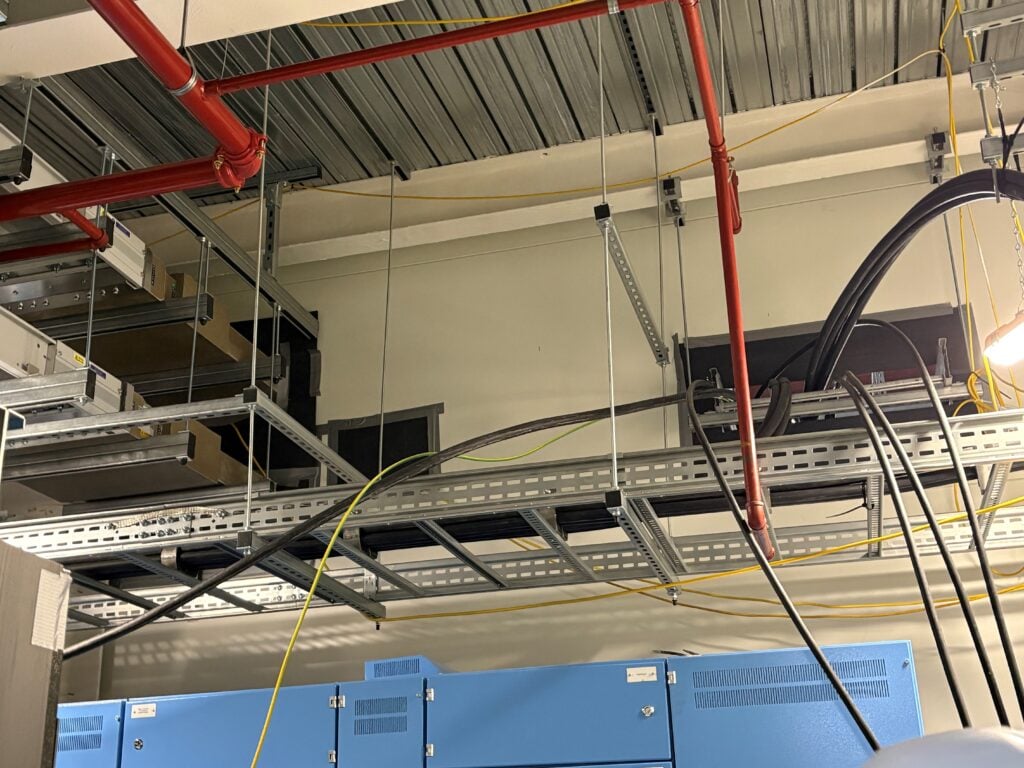
Elsewhere, the project also included pods, (i.e., individual mobile units), that needed fire-rated seals of their own.
The contractor would also be sealing further penetrations as the programme moved on. This meant that the client needed a data centre cable sealing system that the contractor could install confidently, without us on site for every smaller sealing project.
The solution:
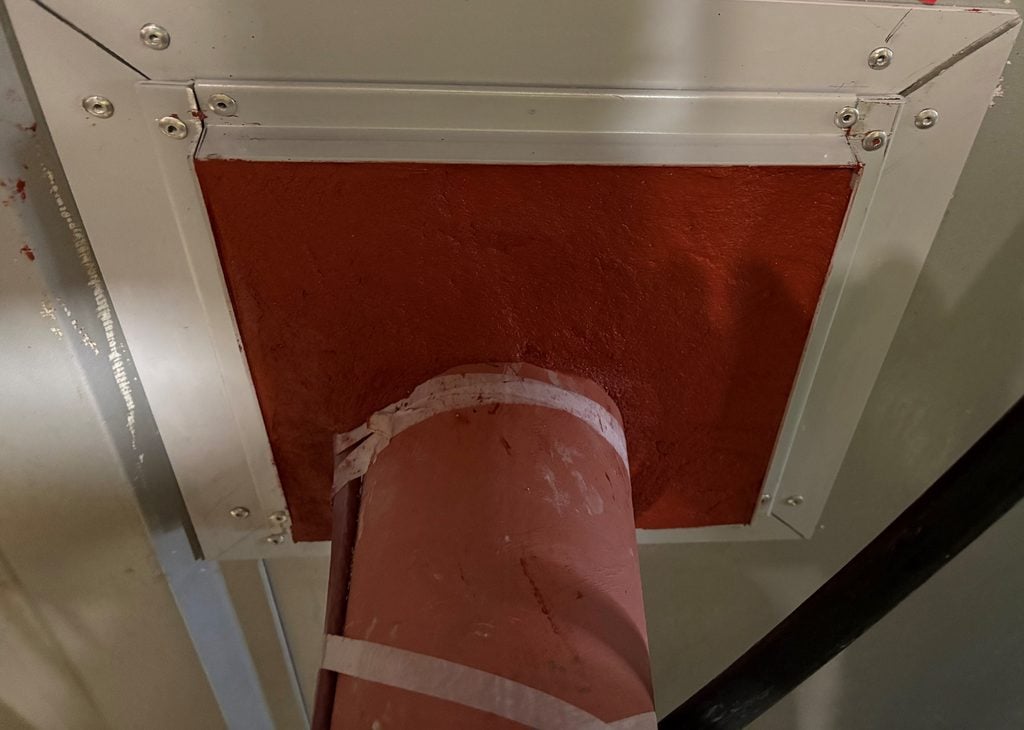
We supplied FILOseal+ HD FIRE (our heavy-duty, re-enterable sealing system, certified for fire, gas and water), and used it for both requirements on the project.
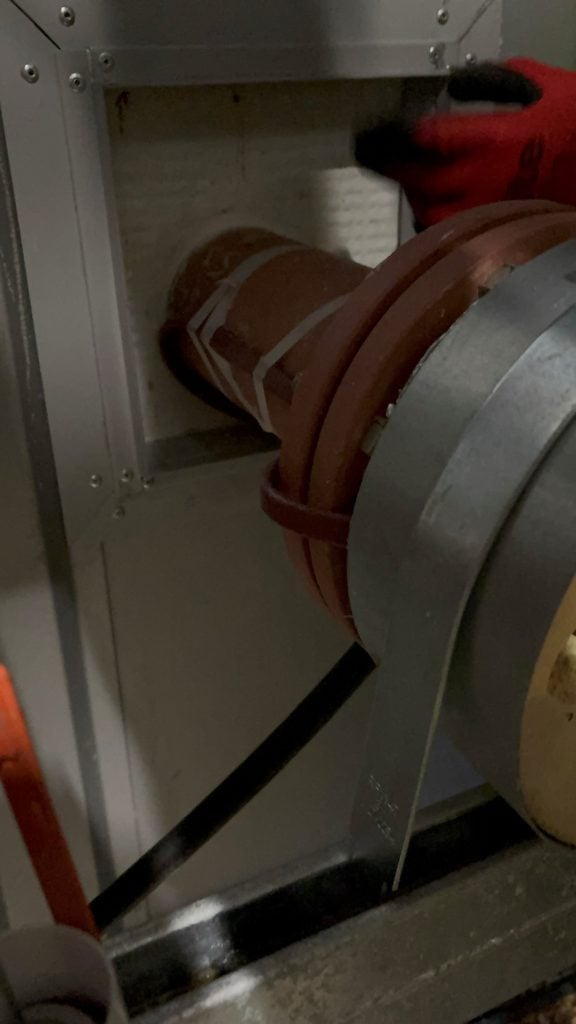
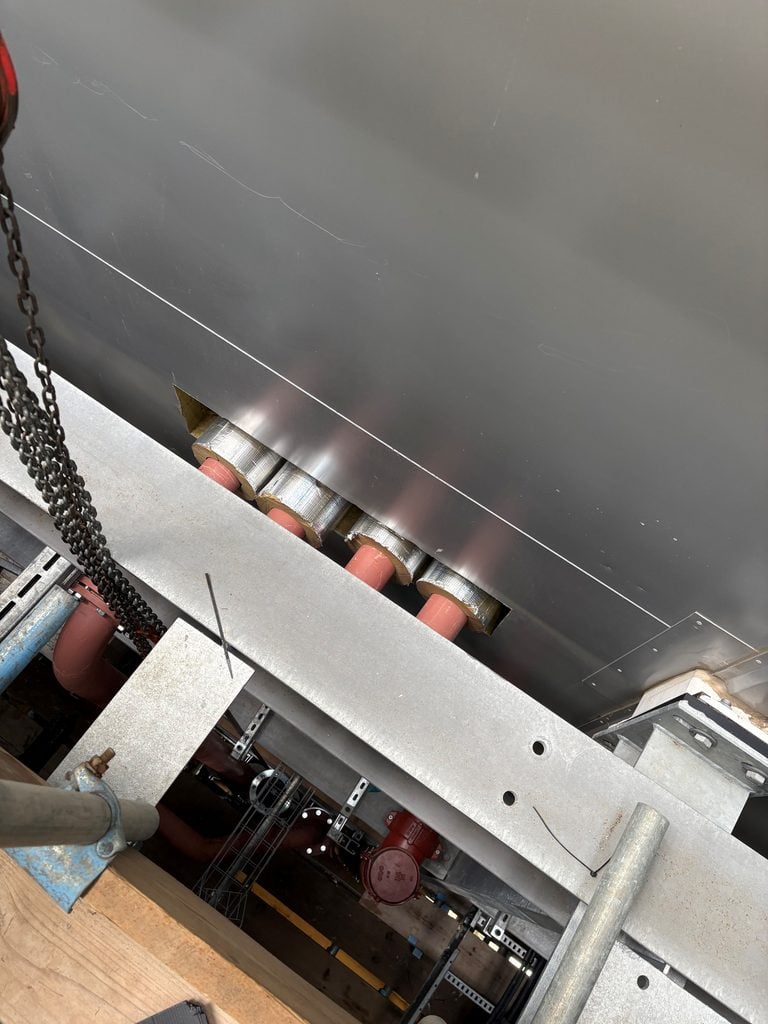
For the wall penetrations, we developed an environmental sealing solution that sits externally to the fire batt and makes the penetrations watertight. For the pods, we installed fire-rated seals.
“Data centre cable sealing is complex. Depending on where it is located, each cable penetration may have different priorities – which was evident on this project.
On the wall penetrations, the fire batt was already there, but water could dissolve it. This made external environmental sealing the priority, to keep the penetrations watertight.
In the pods, the priority was fire protection, so we installed fire-rated seals. Being on site with the contractor meant they could see how each application was different, and they now can carry on sealing further penetrations with confidence.”
Ian Joynson, Head of Sales (UK), FILOform
Our approach:
We assessed the existing fire batt installation and developed an external seal to make each penetration watertight
02Within the pods, we installed fire-rated seals using FILOseal+ HD FIRE so that each unit has its own fire protection.
03Our team worked on site with the contractor, providing hands-on training and support so they could carry on sealing additional penetrations as and when needed, without relying on us for every new cable entry.
The result:
The client now has watertight penetrations where there had been a fire batt that water could dissolve. Each seal is installed externally, so the batt behind it is no longer exposed. The pods have fire-rated sealing in place.
The contractor now has the training and the confidence to extend the sealing across further penetrations. Because FILOseal+ HD FIRE is re-enterable, cables can also be added later without removing and replacing the whole seal.
Key outcomes:
External environmental seals stop water reaching the wall penetrations.
The original fire protection is no longer left exposed to water
Fire-rated seals were installed in the individual mobile units
The contractor was trained on site and can continue sealing further penetrations independently
Cables can be added or changed later without replacing the seal
Want to see how we could support your data centre sealing project?
Whether you’re sealing wall penetrations against water, installing fire-rated seals, or need your contractor trained to carry on installing, our team can provide site surveys, product specification and on-site support. Get in touch to talk through your project.
Get in touch
"*" indicates required fields
FAQ
A data centre can contain thousands of cable penetrations, and they don't all do the same job. Some sit in fire compartment boundaries, where the priority is maintaining compartmentation. Others are on external walls or building entry points, where keeping water and dust out matters most. Airflow, energy efficiency and room for future cables can also affect the choice. The right seal is the one that matches the main priority at that location, which is why a single product is rarely used across a whole site.
An environmental seal is there to keep out water, dust and other environmental ingress. It is not a fire-stopping product, unlike a fire-rated seal. Where a penetration passes through a fire-rated wall or floor, it needs a seal with test evidence for the fire rating required.
Cable routes change as data centres expand, for example through additional fibre, AI expansion, UPS upgrades, new cooling or higher cable densities. The practical answer is to specify re-enterable seals at the design stage, so that cables can be added without removing and replacing the whole seal. FILOform can work with you on the sealing specification so it supports future modifications.
FILOform's data centre portfolio includes mechanical seals, duct seals and fibre optic seals. Applications covered include raised floors and overhead cable trays, building entry and exit points, fire compartments and controlled zones, and wall and floor penetrations.
For large-scale data centre projects, ideally before cable routes and penetration locations are fixed. FILOform helps consultants, designers and contractors specify sealing that protects against fire, water, dust, environmental ingress and future expansion. Getting advice early means the specification can allow for changes later, rather than leaving the contractor to find a fix on site.


