
Sector:
- Public infrastructure
The project:
- Developing a bespoke, pressure-rated cable-entry sealing solution
The client:
- British Library


The challenge:
The British Library required a cable-entry sealing solution that could meet the site’s pressure-rating requirements.
As a major national library, the building includes critical internal environments and infrastructure that need to be protected from unwanted ingress. Moisture or other ingress entering through service penetrations can create avoidable risks to electrical infrastructure, protected assets, and the wider building environment over time.
In this application, a pressure-rated cable-entry seal was needed to maintain a reliable barrier where water could otherwise be driven through gaps around the cables.
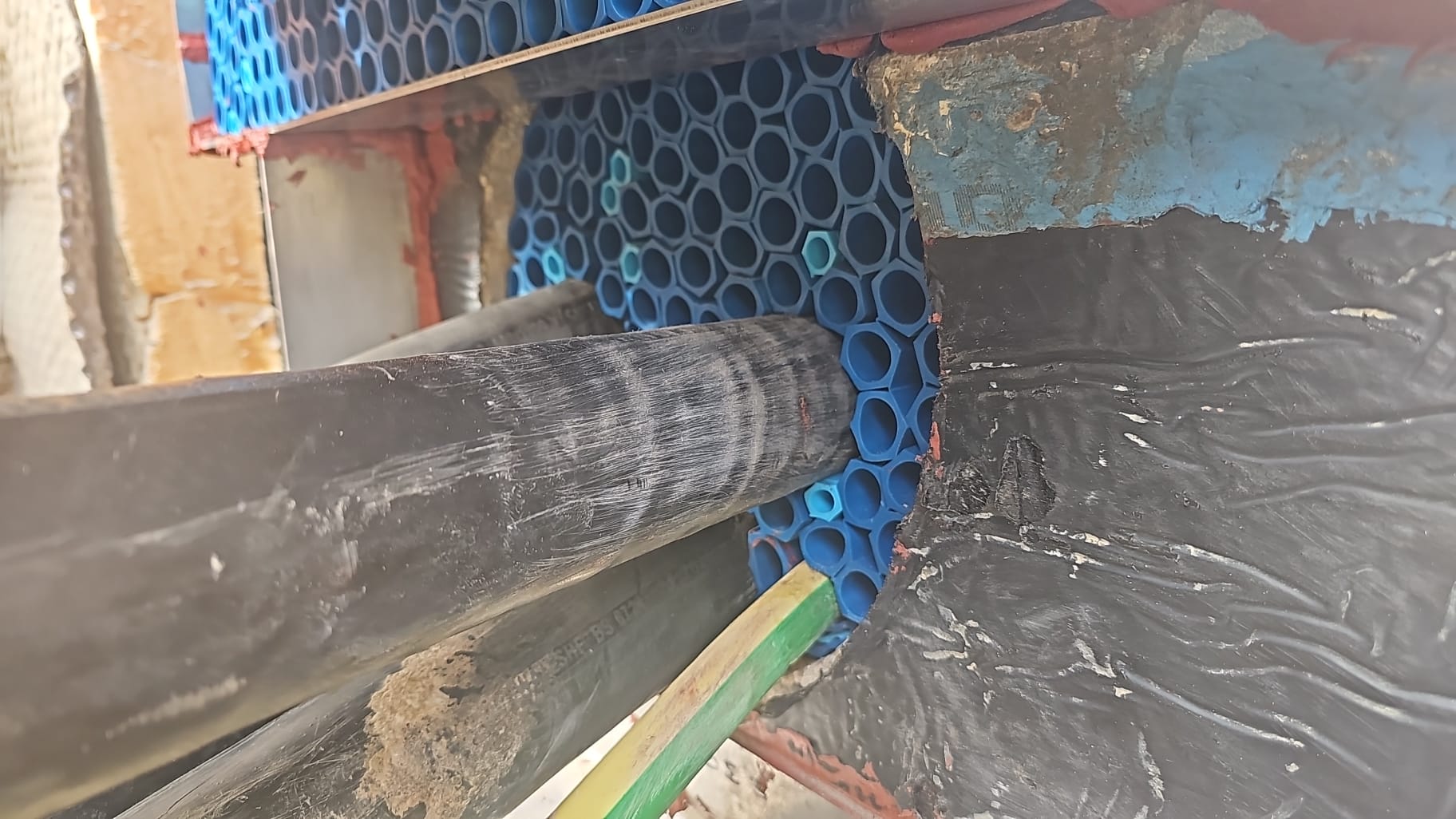
The original project specification called for a mechanical cable seal. However, because of the existing position and arrangement of the cables, the planned mechanical system could not be installed.
This left the project team with a difficult cable sealing detail and no straightforward off-the-shelf solution. The project called for a system that could work around the existing cable configuration, while still delivering the required level of protection.
So, that’s where FILOform stepped in.

Mechanical cable seals are an excellent solution for many applications, but every site brings its own practical challenges. At the British Library, the existing cable layout meant that a standard mechanical system could not be installed. By designing a bespoke arrangement using custom transit frames and FILOseal+ HD, we were able to provide a solution that worked around those constraints and met the required pressure rating.
Ian Joynson, Head of Sales, FILOform
The solution:
Following an assessment of the cable-entry arrangement, FILOform designed a bespoke sealing solution around the site’s specific constraints.
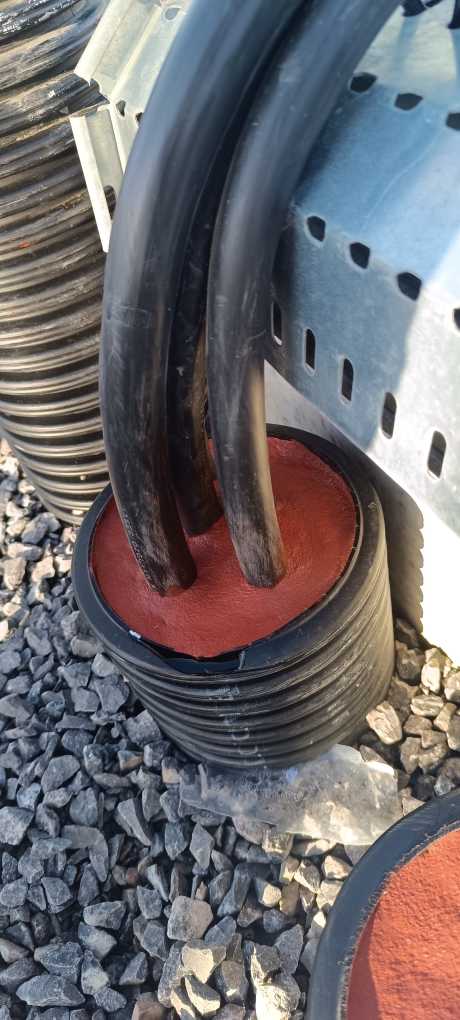
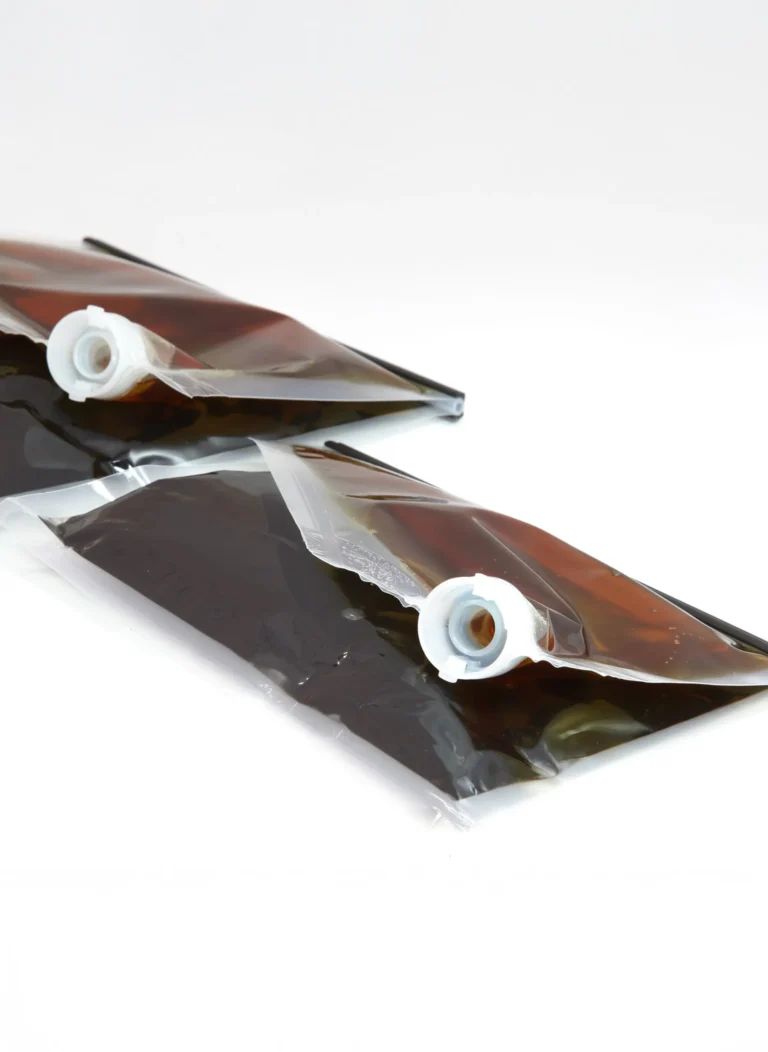
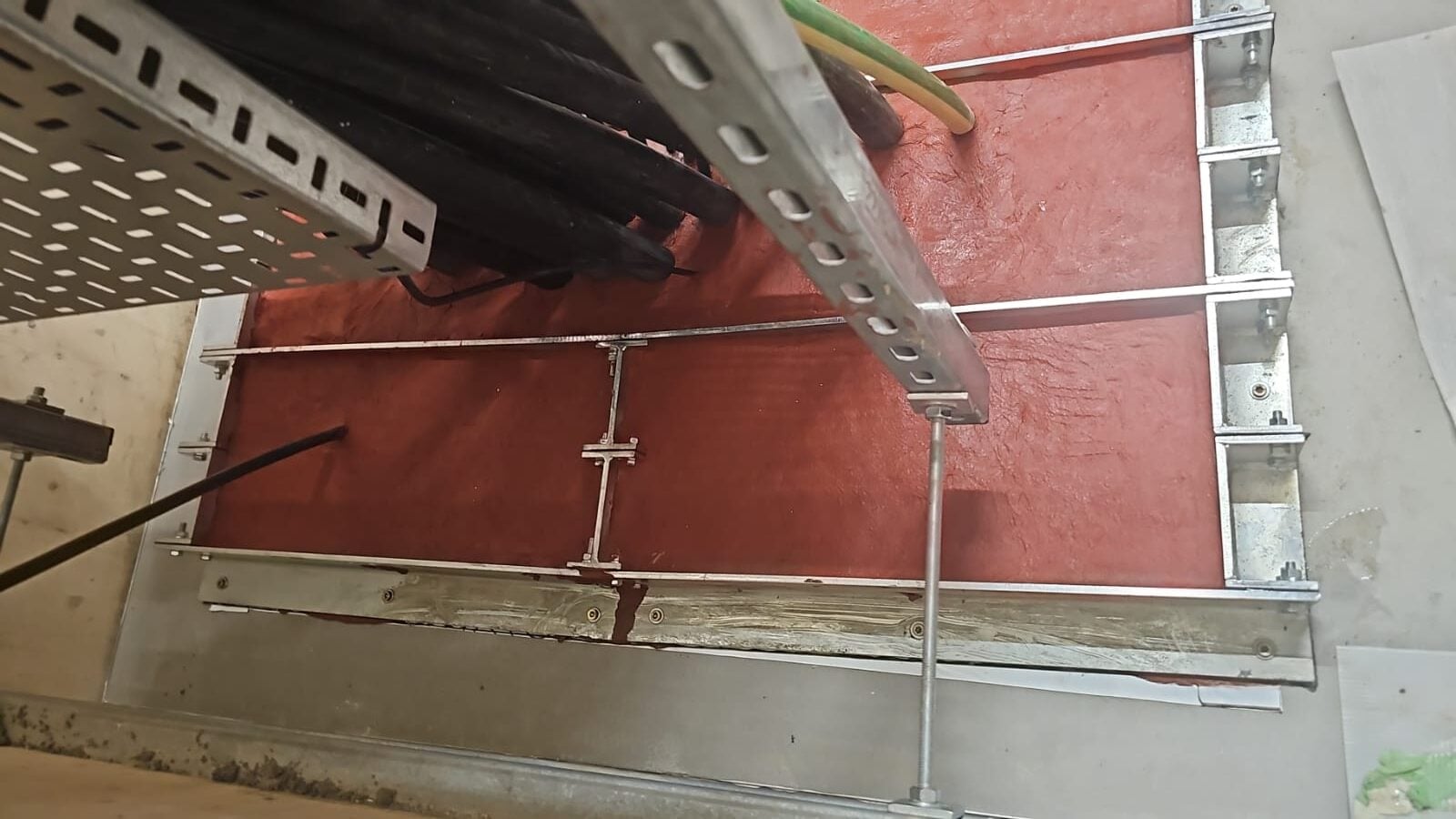
The final design combined custom transit frames with FILOseal+ HD. This created a tailored cable sealing system capable of accommodating the existing cable positions while meeting the required pressure rating.
Rather than attempting to force a standard mechanical cable seal into an unsuitable installation, we designed a solution specifically for the penetration and cable layout in question.
Then, we worked with an approved FILOform installer in the London region to install the system correctly on site.
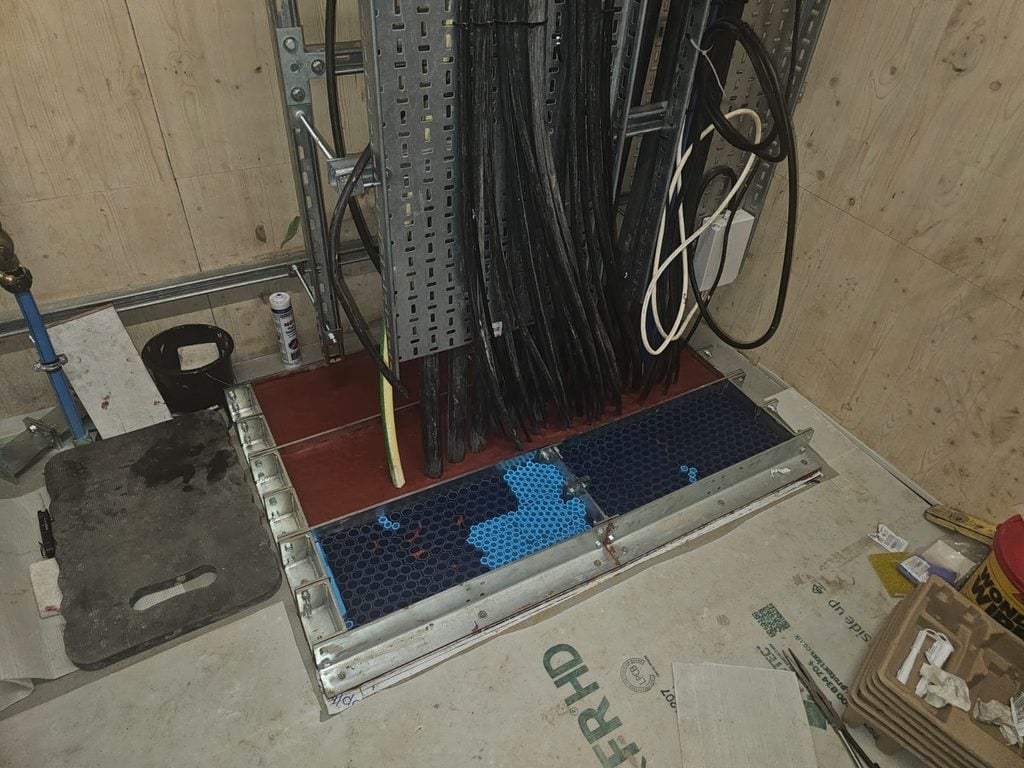
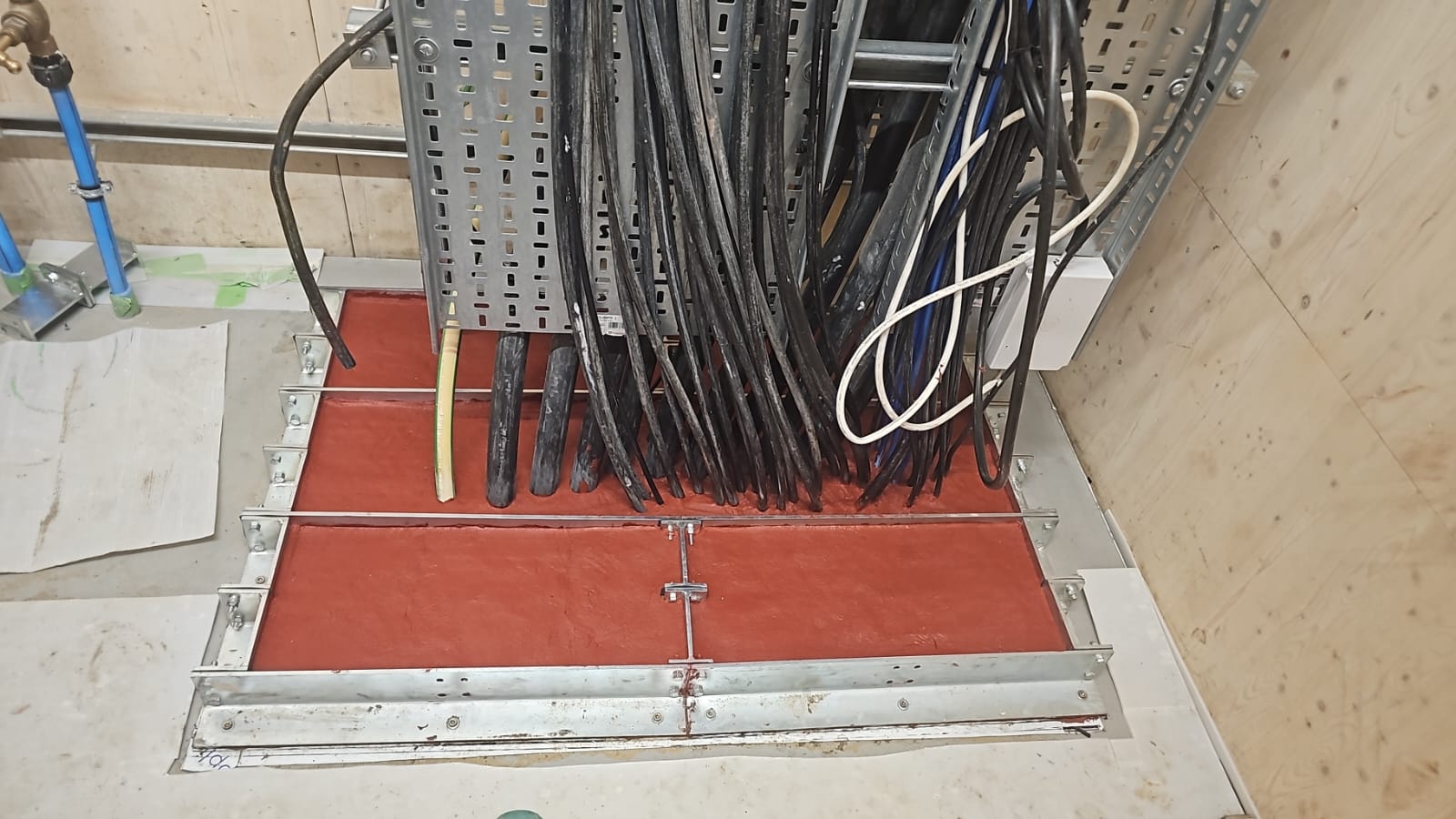
Installation overview:
- 1. Existing cable positions and penetration requirements assessed
- 2. FILOform developed a bespoke transit-frame configuration for the application
- 3. Custom frames installed around the cables
- 4. FILOseal+ HD applied to complete the pressure-rated cable-entry seal
- 5. Installation carried out by an approved FILOform installer
The result:
The completed installation provided the British Library with a fit-for-purpose cable sealing solution where the originally specified mechanical system could not be installed.
By designing the solution around the actual site conditions, FILOform helped the project team achieve the required pressure rating without requiring changes to the existing cable arrangement.
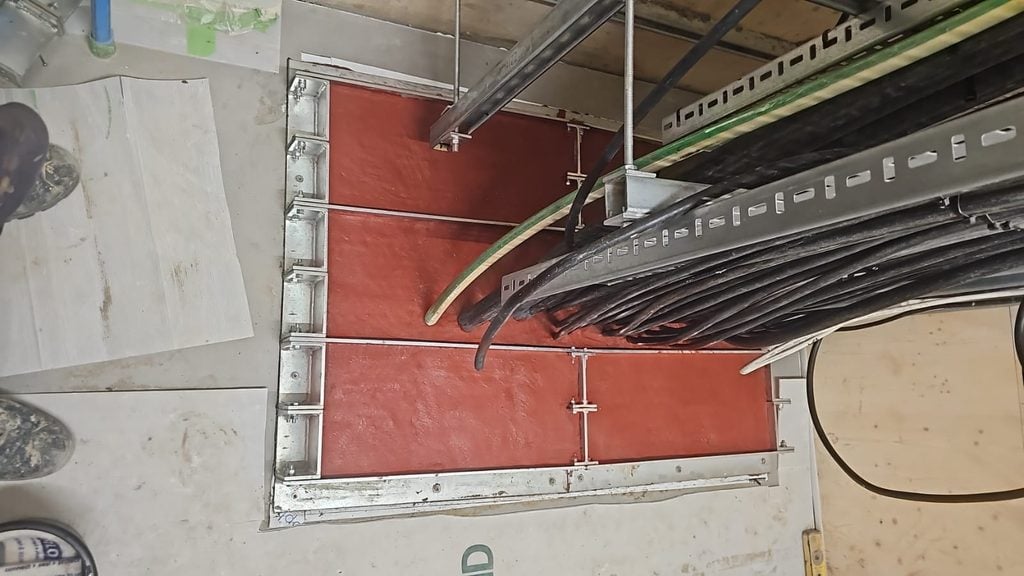
Key outcomes:
The bespoke cable sealing system helps to:
- – Meet the project’s pressure-rating requirements
- – Seal cable entries around an existing and challenging cable layout
- – Provide a practical alternative over an unworkable mechanical cable seal
- – Support long-term protection of the cable penetration
- – Allow for future cable access through a re-enterable sealing solution
- – Complete the work using an approved FILOform installer
Want to see how we could support your project?
Kontakt aufnehmen
"*" kennzeichnet Pflichtfelder
FAQ
A bespoke solution may be needed when the cable layout, penetration size, available installation space or performance requirement prevents a standard system from being installed as specified. Assessing the actual site arrangement before selecting the sealing method is essential.
The specification needs to account for the number, size and position of cables, as well as the construction of the wall or penetration. Required protection against water, gas, dust or other ingress — and whether future cable changes are likely — should also be considered at the outset.
Cable positions can determine whether a sealing system can be fitted and compressed correctly. Where cables are too close together, too close to the edge of a penetration or already fixed in place, a standard mechanical seal may not be practical. A custom frame arrangement can provide a workable route forward.
This depends on the system selected. FILOseal+ HD is a re-enterable solution, making it suitable for applications where future inspection, maintenance or cable alterations may need to be accommodated.