




Serie Teil 1: Runde, eckige Brillenfassungen
Wanddurchführungen sind selten standardisiert. Dies gilt insbesondere für Sanierungs-, Modernisierungs- und Rohrleitungsbauprojekte.
Während bei geplanten Kabeleinführungen rechteckige Rahmen nach wie vor üblich sind, sind in der Praxis aufgrund von Kernbohrungen, Rohrverlegungen und Fertigungsverfahren häufig runde Durchführungen anzutreffen.
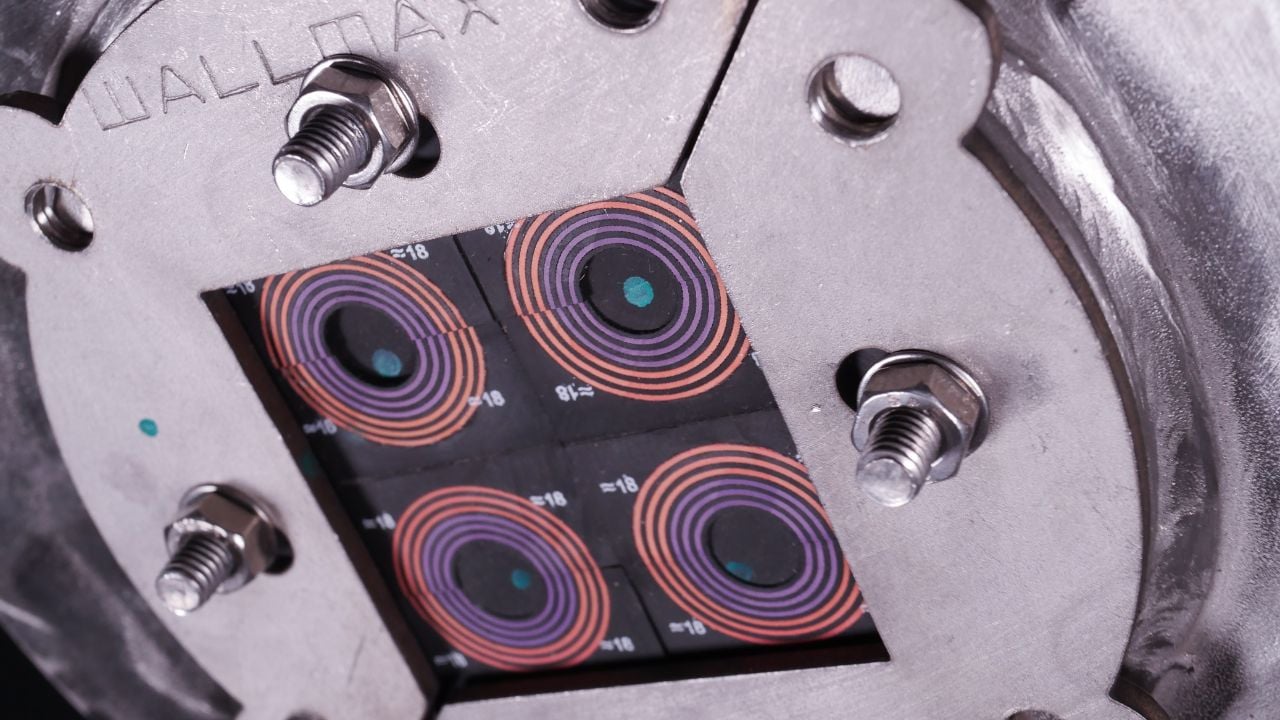
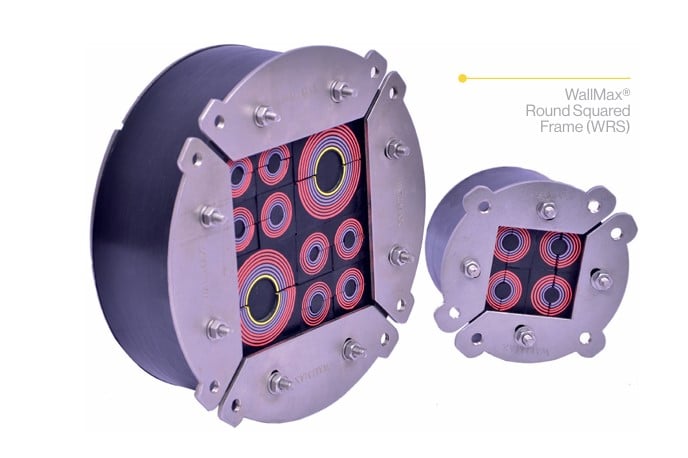
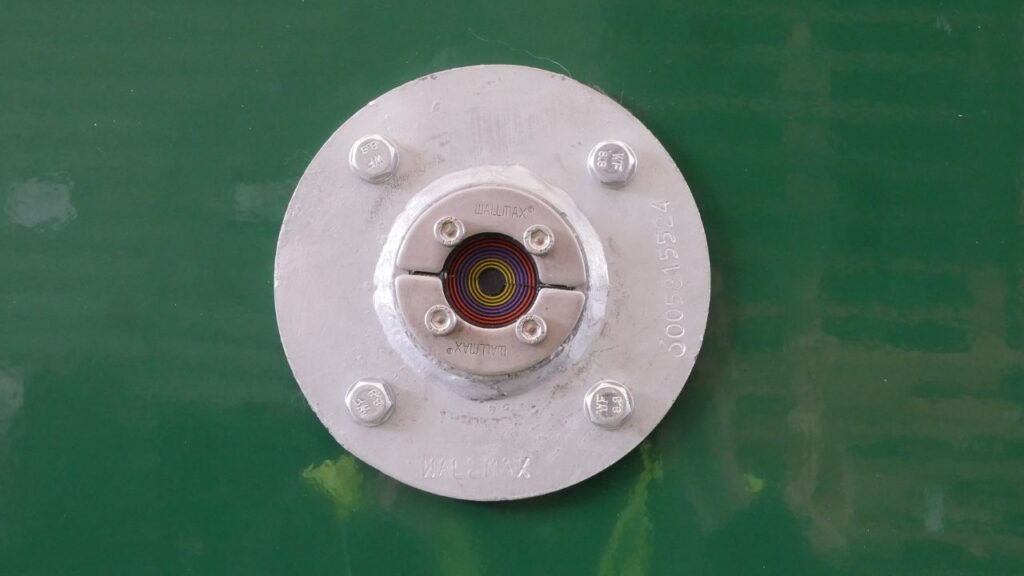
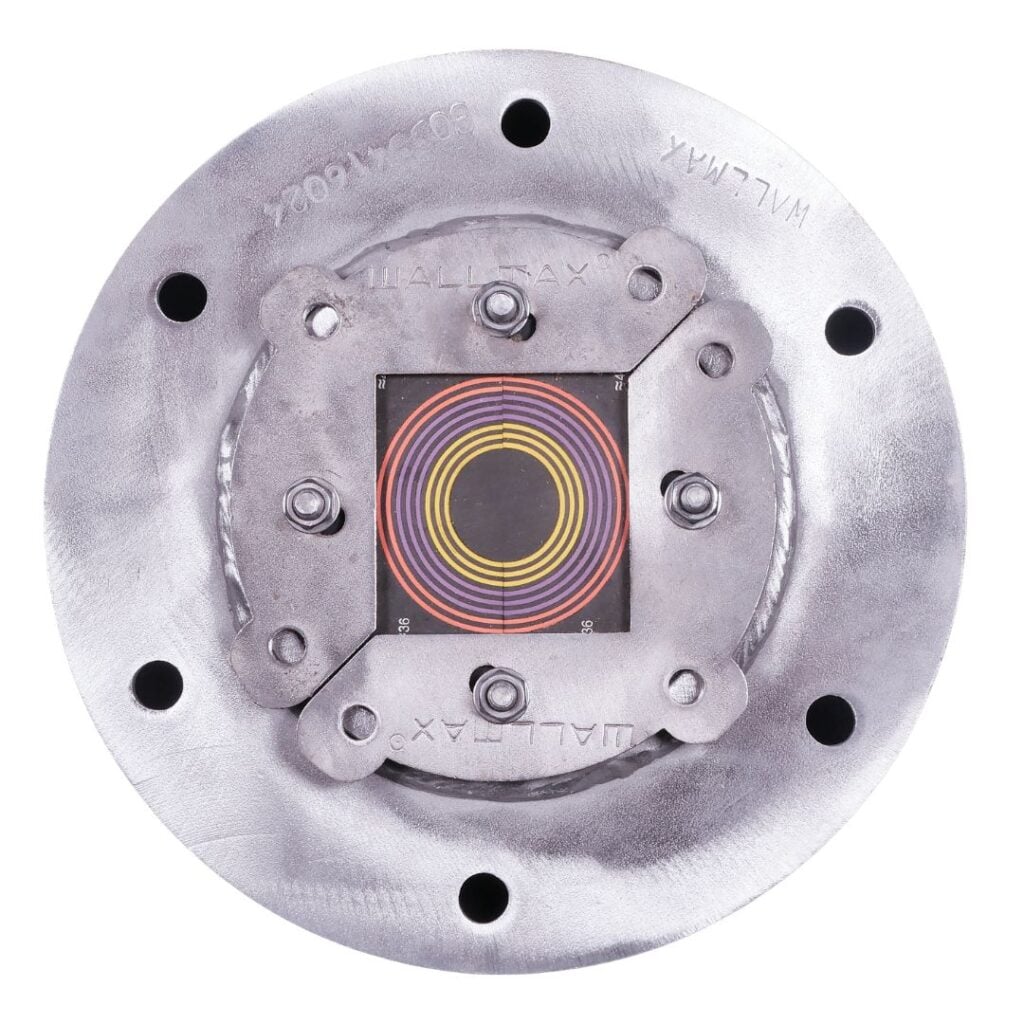
WallMax-Rahmen mit runder Außenform und quadratischem Innenraum (WRS) wurden speziell für solche Anwendungsfälle entwickelt und verbinden eine runde Außenform mit einem quadratischen Innenraum. Dadurch können Installateure mit runden Öffnungen arbeiten und gleichzeitig die Flexibilität einer modularen Abdichtung nutzen.
Hier ist Teil 1 unseres technischen Leitfadens zu den WallMax-Rahmen – diesmal mit Schwerpunkt auf dem WRS.
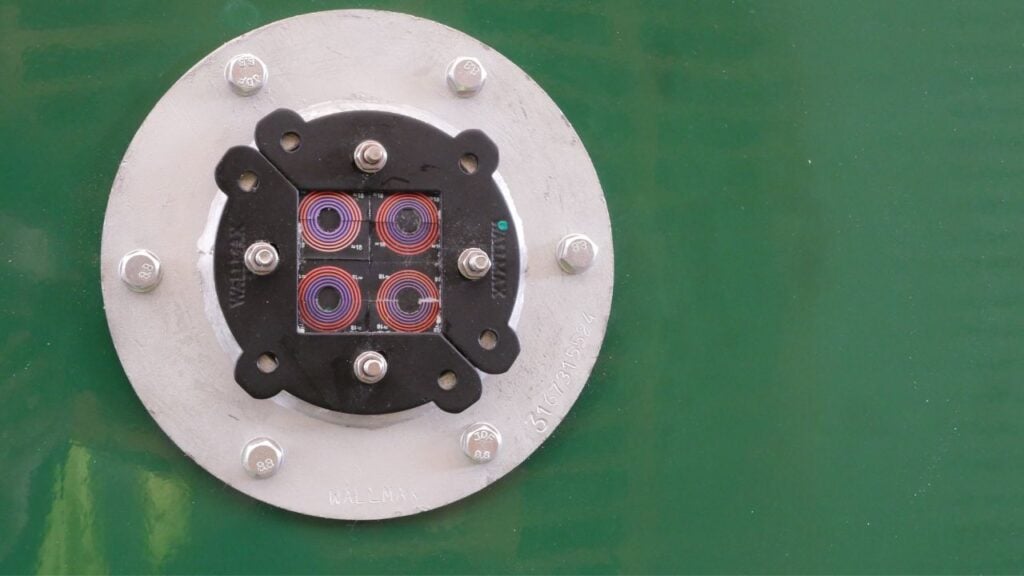
Was ist ein rund-eckiger Rahmen?
WallMax Round Squared (WRS)-Rahmen bestehen aus:
- • Ein runder Außenrahmen, der für runde Durchbrüche oder Hülsen ausgelegt ist
- • Ein quadratischer Innenraum, der für die Aufnahme von Modulen der WMR-Serie ausgelegt ist
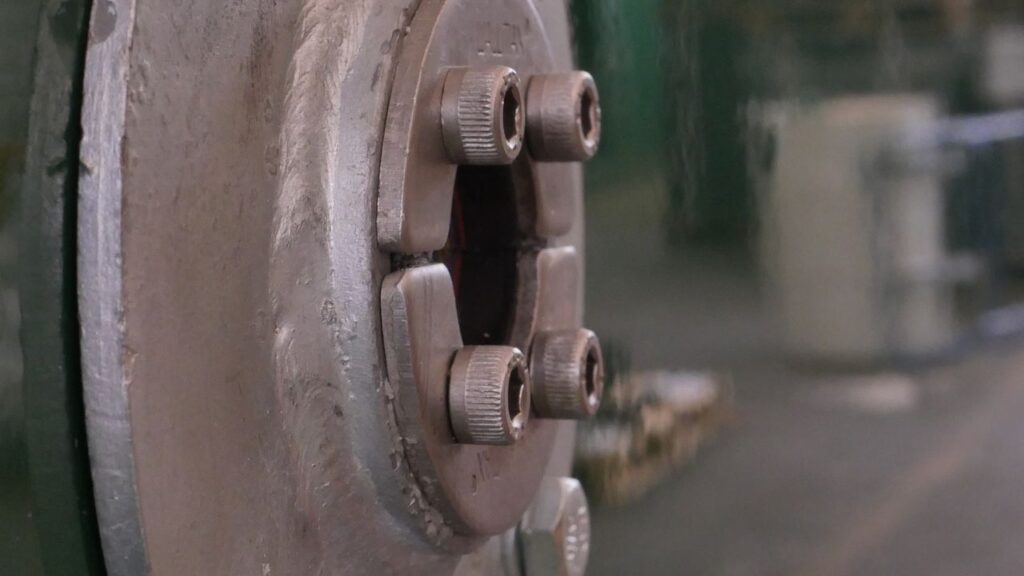
- • Kompressionsdichtung durch Flanschschrauben, wodurch Expandersysteme oder Halteplatten überflüssig werden
- • Optionale Kompatibilität mit externen Hülsen für zusätzliche Flexibilität bei der Installation
- • Erhältlich in verschiedenen Materialien für unterschiedliche Umgebungen
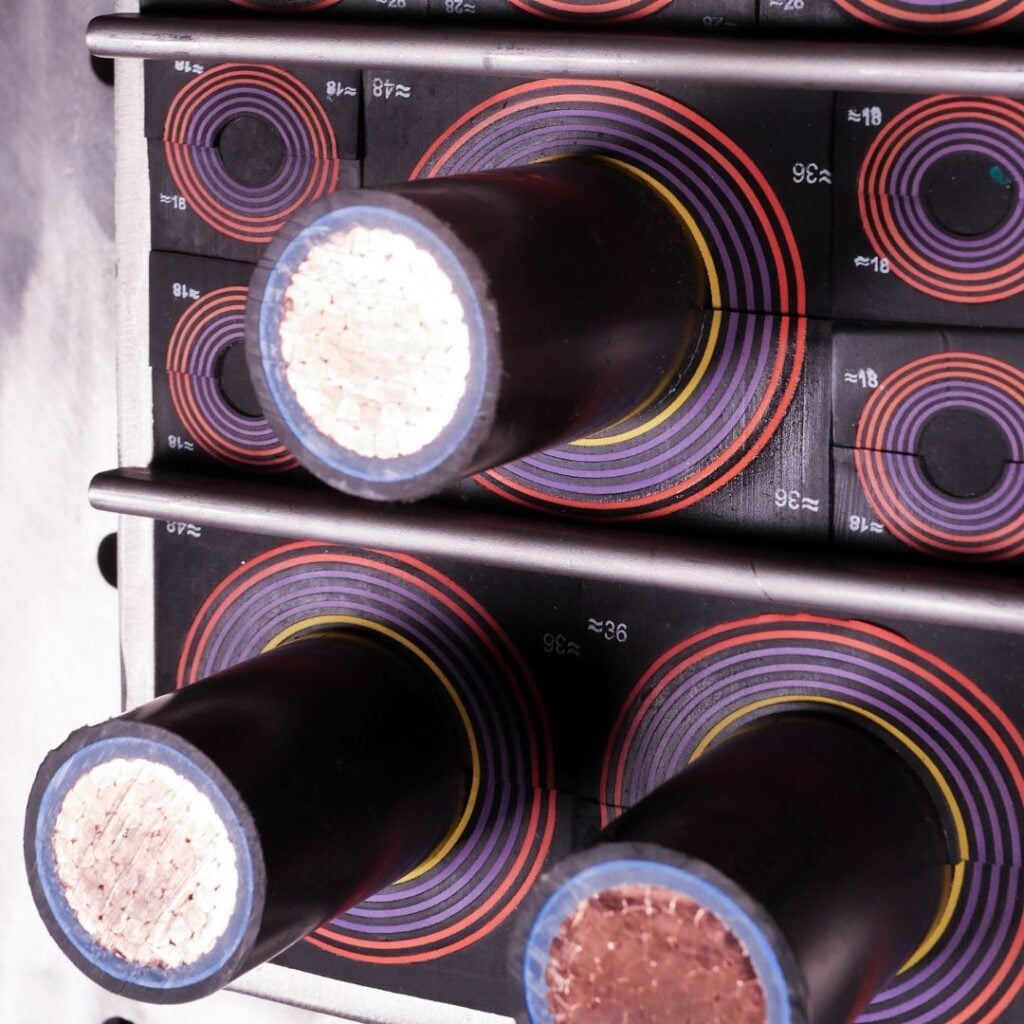
Der quadratische Einbauraum ermöglicht vielfältige Modulkombinationen und unterstützt gemischte Kabel- und Rohrdurchführungen innerhalb einer runden Durchführung.
Dadurch eignen sich runde Rahmen mit eckigem Querschnitt besonders für Einbauten, bei denen Flexibilität innerhalb einer runden Öffnung erforderlich ist.
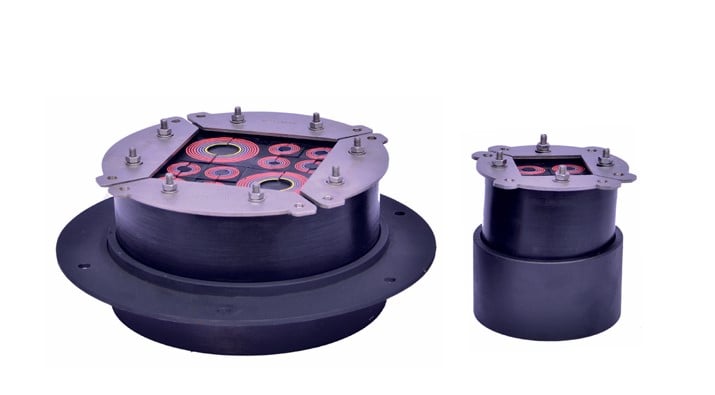
Wo typischerweise runde, quadratische WallMax-Rahmen zum Einsatz kommen
Rund-Eck-Rahmen werden meist dann gewählt, wenn bereits runde Durchbrüche vorhanden sind oder wenn runde Bohrungen bevorzugt werden. Dies kann viele Szenarien umfassen – im Folgenden listen wir einige der häufigsten Anwendungsfälle auf.
1. Kernbohrungen in bestehenden Bauwerken
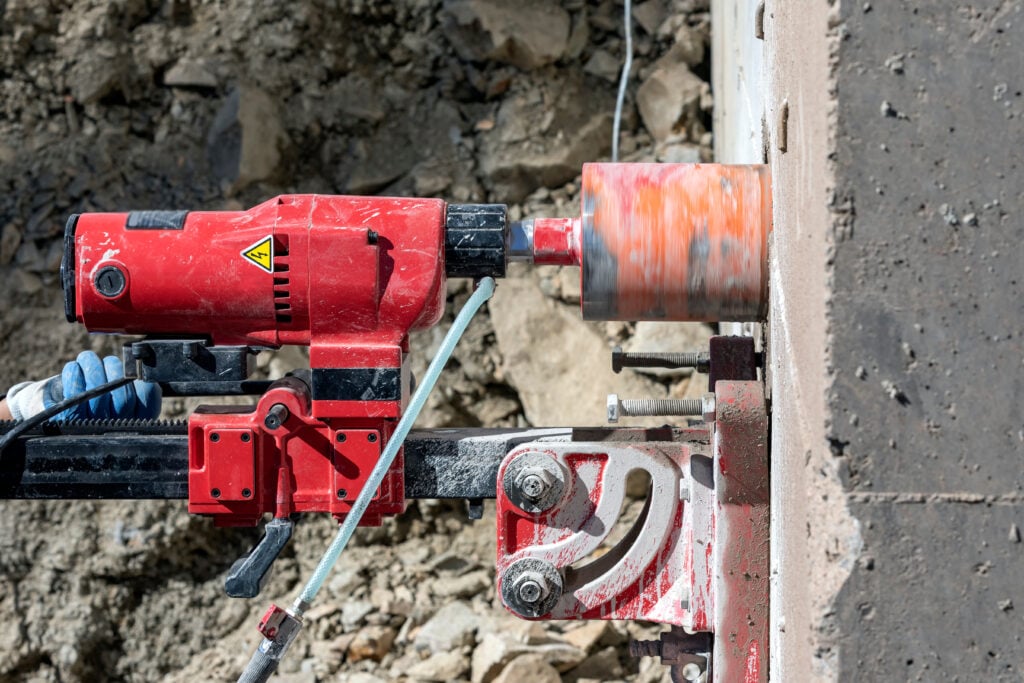
Wenn Bauunternehmer Kernbohrungen oder Lochbohrungen durch Betonwände vornehmen, entstehen dabei runde Durchbrüche, keine quadratischen.
In diesen Fällen wären für die rechteckigen WallMax-Rahmen dann folgende Anforderungen erforderlich:
- • Die Öffnung vergrößern
- • Das Loch rechtwinklig ausrichten
- • Mehr strukturelle Maßnahmen
- • Längere Installationszeit
Im Gegensatz dazu runde, eckige Brillenfassungen:
- • Passt direkt in runde, vorgebohrte Löcher
- • Nachrüstungen beschleunigen
- • Erdbauarbeiten reduzieren
Kernbohrungen kommen häufig bei Betonwänden, Umspannwerken, Technikräumen, Versorgungskästen sowie bei der Modernisierung bestehender Infrastruktur zum Einsatz. Für diese Projektarten ist der WRS-Rahmen daher die ideale Wahl für Installateure.
2. Nachrüstungen / Modernisierungsarbeiten
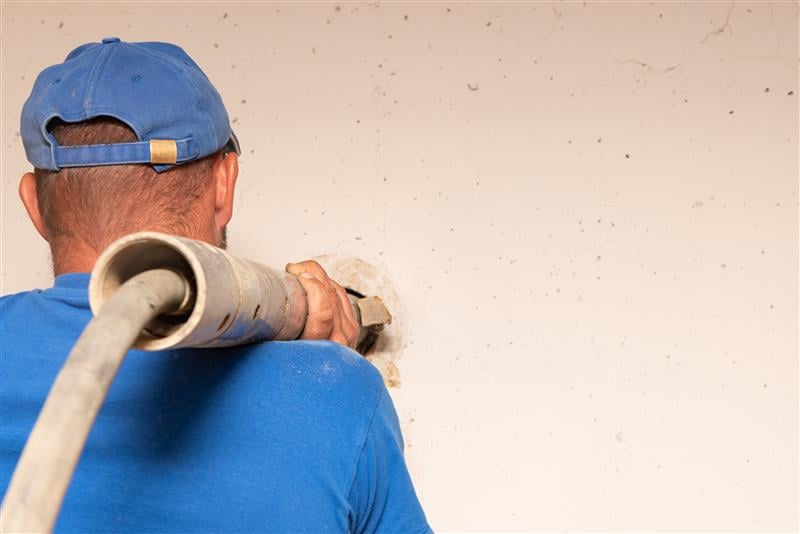
Wenn Sie Kabel- oder Rohrdurchführungen in einer bestehenden Infrastruktur modernisieren, fangen Sie selten bei Null an.
Man begegnet oft:
- • Vorhandene Hülsen
- • Runde Durchführungen
- • Durchführungen für Leitungsrohre
- • Ältere Einträge zu Rohrleitungen
Hier ermöglichen runde, eckige Rahmen:
- • Einfachere Anpassung an vorhandene Öffnungen
- • Weniger Abbrucharbeiten
- • Schnellere Installation
Die „Round Squared“-Rahmen von WallMax bieten die Möglichkeit, die Dichtungsleistung ohne größere bauliche Veränderungen zu verbessern. Daher eignen sie sich hervorragend für Nachrüstungsarbeiten in Versorgungsunternehmen und industriellen Umgebungen.
3. Installationen mit baulichen Einschränkungen
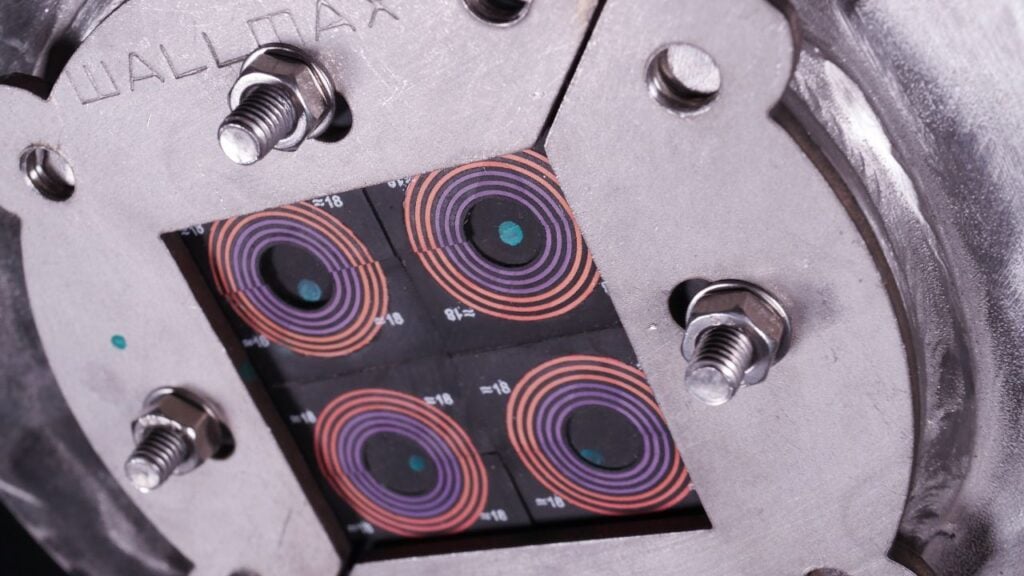
In manchen Fällen ist die Herstellung einer rechteckigen Durchbrechung aus folgenden Gründen nicht praktikabel:
- • Einschränkungen bei der Bewehrung
- • Begrenzter Platz an der Wand
- • Anforderungen an die strukturelle Integrität
Hier ermöglichen runde, eckige Rahmen:
- • Einfachere Anpassung an vorhandene Öffnungen
- • Weniger Abbrucharbeiten
- • Schnellere Installation
Runde Durchbrüche erfordern in der Regel weniger Abtrag von tragenden Bauteilen, weshalb sich WallMax-WSR-Rahmen besonders dort bewähren, wo strukturelle Eingriffe auf ein Minimum beschränkt werden müssen.
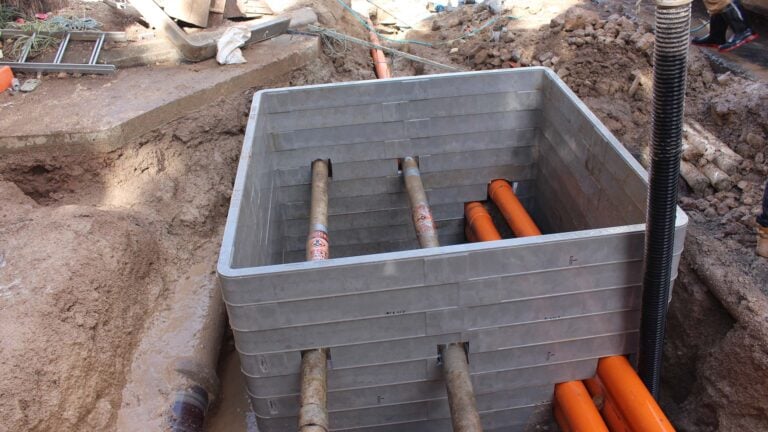
4. Rohrgeführte Installationen
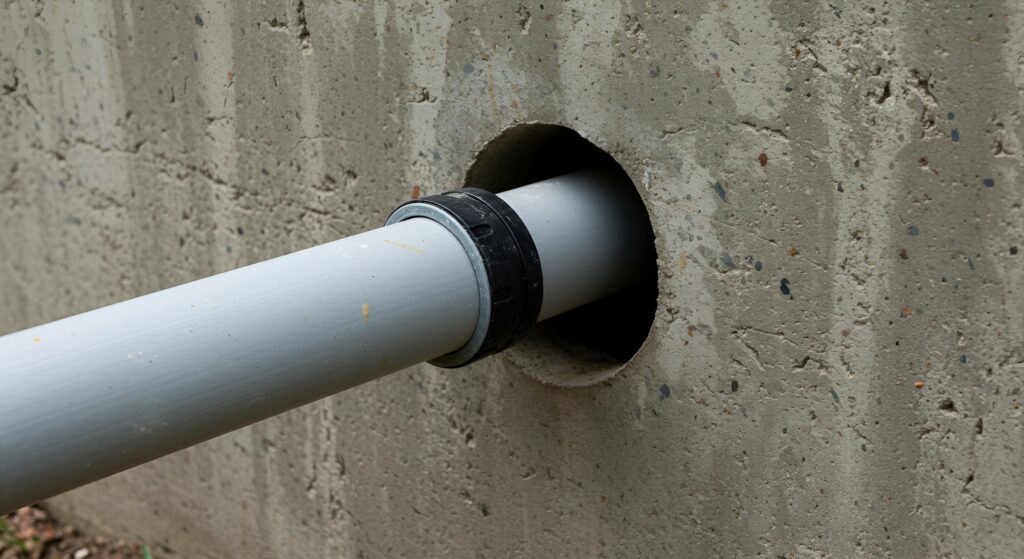
Runde, eckige Rahmen sind besonders sinnvoll, wenn Rohre im Vordergrund stehen, und zwar aus ganz offensichtlichen Gründen:
- • Rohre sind von Natur aus rund
- • Kernbohrungen für Rohrleitungen sind gängige Praxis
Anwendungen mit hohem Rohranteil (im Gegensatz zu solchen mit hohem Kabelanteil) sind in zahlreichen Branchen weit verbreitet:
- • Wasserversorgungsunternehmen
- • Fernwärme
- • Industrieanlagen
- • Energieinfrastruktur
- • Pumpstationen
In diesem Fall ermöglichen unsere „Round Squared“-Rahmen von WallMax die Durchführung von Rundrohren, ohne dass die modulare Flexibilität beeinträchtigt wird. (Beispielsweise, wenn Sie mehrere Leitungen innerhalb derselben Durchführung benötigen.)
5. Fertigteil- und Maßanfertigungen
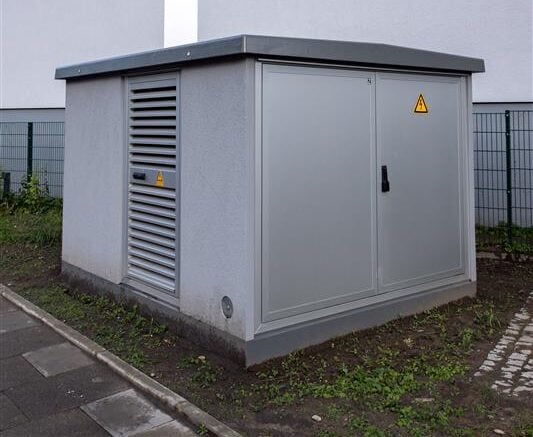
Vor Ort werden einige Geräte mit folgenden Komponenten geliefert:
- • Vorgebohrte runde Einstecköffnungen
- • Zylindrische Hülsen
- • Gefertigte runde Durchführungen
Das findet man zum Beispiel in:
- • Stahlkonstruktionen
- • Containerisierte Ausrüstung
- • Modulare Umspannwerke
- • Auf einem Fahrgestell montierte Systeme
Die runden und quadratischen Rahmen von WallMax sind somit auf diese Fertigungsmethoden abgestimmt und ermöglichen die Integration von Dichtungslösungen, ohne dass Durchführungen neu konstruiert werden müssen.
Vorgehensweise bei der Installation
Auf unserem YouTube-Kanal finden Sie Anleitungen zur Installation von WallMax.
Um hier einen kurzen Überblick zu geben: Bei runden, abgekanteten Rahmen erreichen Sie eine Abdichtung wie folgt:
- • Ausrichtung des Rahmens innerhalb der kreisförmigen Öffnung
- • Einbau der erforderlichen WMR-Module in den quadratischen Einbauraum
- • Anziehen der Flanschschrauben, um das System zusammenzudrücken und abzudichten
Durch dieses Verfahren der Schraubenkompression entfallen Spreizvorrichtungen oder Halteplatten, und es ermöglicht eine kontrollierte, wiederholbare Montage.

Rundrahmen für Einrohr-Anwendungen
Wenn Sie nur eine einzige Rohr- oder Kabeldurchführung benötigen, ist der runde WallMax-Rahmen (WR) die geeignetere Lösung.
WallMax-Rundrahmen wurden speziell als Lösungen für die Rohrdurchführung entwickelt. Die zweiteilige Konstruktion wird vormontiert mit einem einzigen Rundmodul geliefert, das für die Aufnahme und Abdichtung der Durchführung eines Rohrs ausgelegt ist.
Jedes Modell ist für einen bestimmten Bereich von Rohrdurchmessern ausgelegt. So können Sie den passenden Rahmen entsprechend der Rohrgröße auswählen.
Runde Rahmen werden in der Regel in folgenden Fällen verwendet:
- • Sie benötigen lediglich eine einzige Rohrdurchführung
- • Es ist keine Skalierbarkeit erforderlich
- • Sie legen Wert auf eine einfache Installation
- • Platzmangel schränkt die Auswahl an größeren Rahmen ein
Dadurch eignen sich runde WallMax-Rahmen besonders gut für spezielle Rohrdurchführungen. Runde Rahmen mit quadratischem Querschnitt bleiben hingegen die bevorzugte Wahl, wenn mehrere Leitungen verlegt werden sollen oder Flexibilität für die Zukunft erforderlich ist.
Auswahl der WallMax-Rahmen: rund-eckig, rund oder rechteckig
Wir bieten verschiedene WallMax-Rahmen für unterschiedliche Installationsszenarien an. Die Auswahl des geeigneten Rahmens hängt von Faktoren wie der Art der Durchführung, der Konfiguration der Versorgungsleitungen und den Installationsbedingungen ab. Hier eine kurze Zusammenfassung:
Rahmen mit runden Ecken werden in der Regel in folgenden Fällen vorgeschrieben:
- • Es sind bereits kreisförmige Durchbrüche vorhanden
- • Kernbohrungen werden bevorzugt
- • Rohrgeführte Installationen überwiegen
- • Strukturelle Änderungen müssen auf ein Minimum beschränkt werden
- • Es werden Fertigbauten verwendet
Runde Rahmen werden in der Regel in folgenden Fällen vorgeschrieben:
- • Sie benötigen eine Durchführung für ein einzelnes Rohr
- • Sie benötigen eine kompakte, speziell auf Ihre Anforderungen zugeschnittene Lösung
Rechteckige Rahmen sind in einer Vielzahl von Ausführungen erhältlich. (Mit Flansch, aufklappbar, modular, gelocht, Mini – wir werden diese Optionen in unseren kommenden technischen Rahmenleitfäden – Ausgabe „Rechteckig“ – näher beleuchten.) Allgemein gesagt werden sie für unsere Zwecke hier jedoch typischerweise für folgende Zwecke spezifiziert:
- • Neuinstallationen
- • Geplante Kabelverlegung
- • Große Einträge mit mehreren Dienstleistungen

Ihre Spezialisten für Dichtungstechnik
Wir bei FILOform sind Experten für technische Dichtungslösungen. In den kommenden Wochen werden wir weitere Informationen zur Verlegung von WallMax veröffentlichen, um Sie bei der Planung Ihrer Projekte zu unterstützen. Vergessen Sie in der Zwischenzeit nicht, dass wir Ihnen gerne zur Seite stehen.
Wir bieten einen Rundum-Service, einschließlich Unterstützung bei der Installation und maßgeschneiderter Lösungen. Schreiben Sie uns einfach eine Nachricht, wenn wir Ihnen helfen können.
Nehmen Sie Kontakt mit uns auf, um zu besprechen, wie WallMax Ihr nächstes Projekt unterstützen könnte
"*" kennzeichnet Pflichtfelder