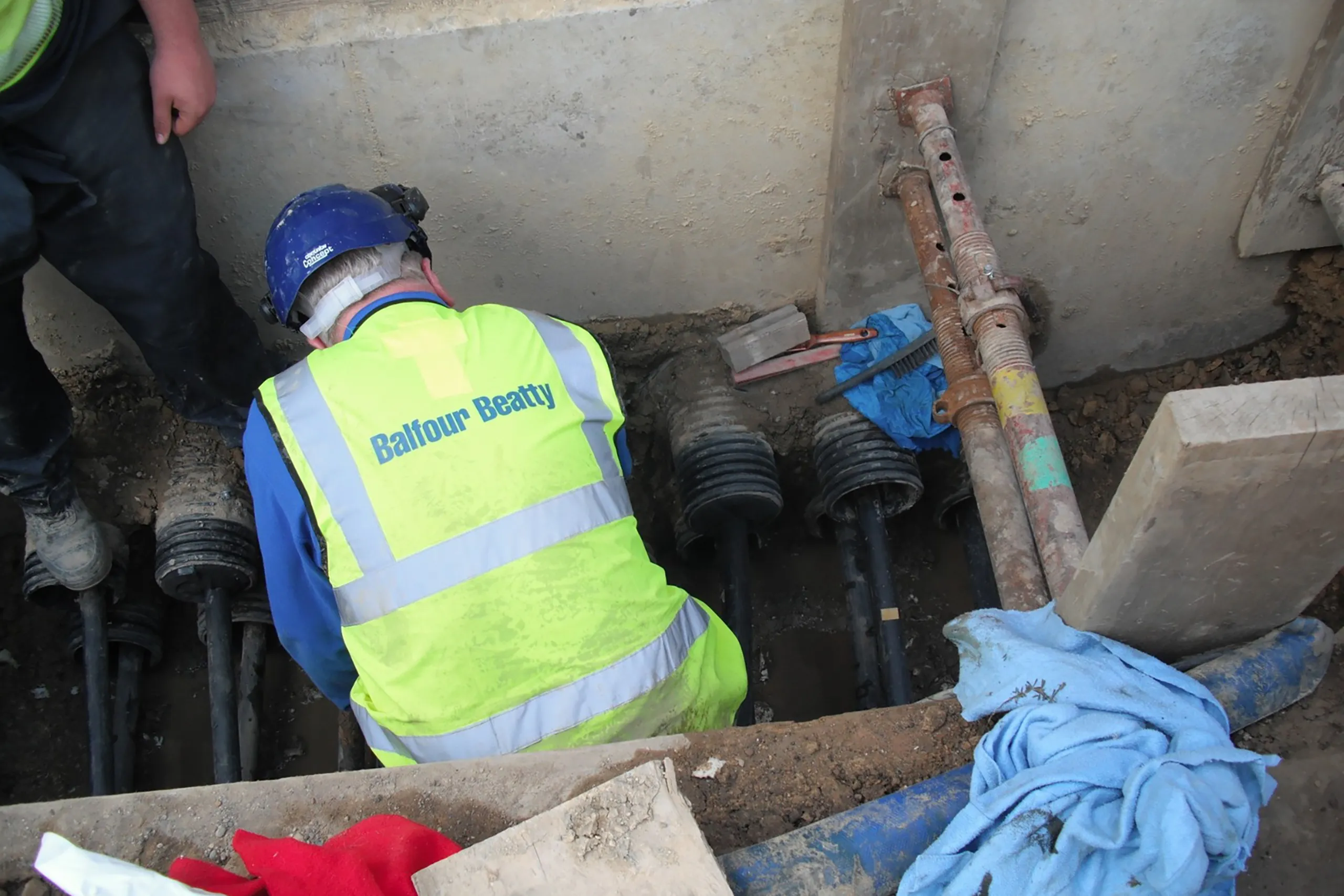

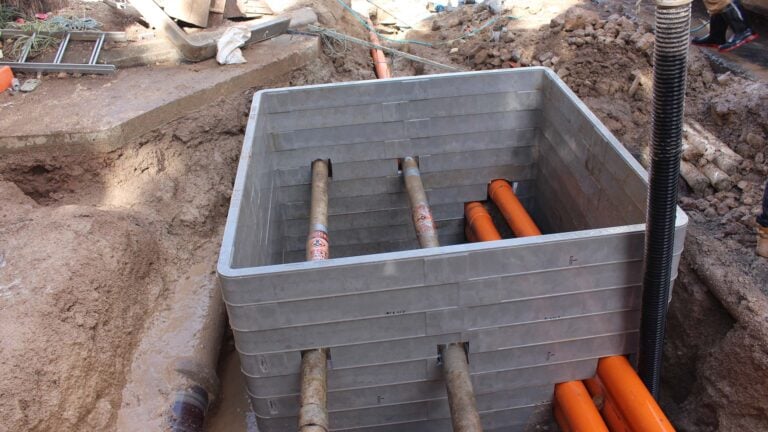

Duct sealing has become a critical part of modern construction and infrastructure design. Over the past 15 years, engineers and contractors have increasingly started to recognise the importance of ensuring a reliable seal. However, it still very much remains an area that is often overlooked or underestimated.
Most specifications of duct seal products require a quick and simple installation, with a re-enterable seal that can cope in extreme circumstances. Think – for example – of the challenges facing water treatment facilities, high-water table environments, hydrocarbon-rich areas, data centres with oxygen suppression systems, demanding rail environments, and so on.
In each of these extreme condition situations, choosing the wrong sealing method can lead to costly damage and unnecessary maintenance.
FiloForm has spent decades developing specialist solutions like FiloSeal+HD, designed to meet these challenges head-on with a single, versatile system.
Common duct sealing pitfalls
Too often, sealing is left as a last-minute task. This can lead to shortcuts, rushed installations, or the use of unsuitable products. The most frequent issues we see include:
- Last-minute sealing rather than planning in advance
- Incorrect products used (expanding foam from a can is a major offender)
- Rushed or poor-quality installations
- Overpriced or over-engineered systems
- Complex product ranges that are hard to specify
- Delays and long lead times for supply
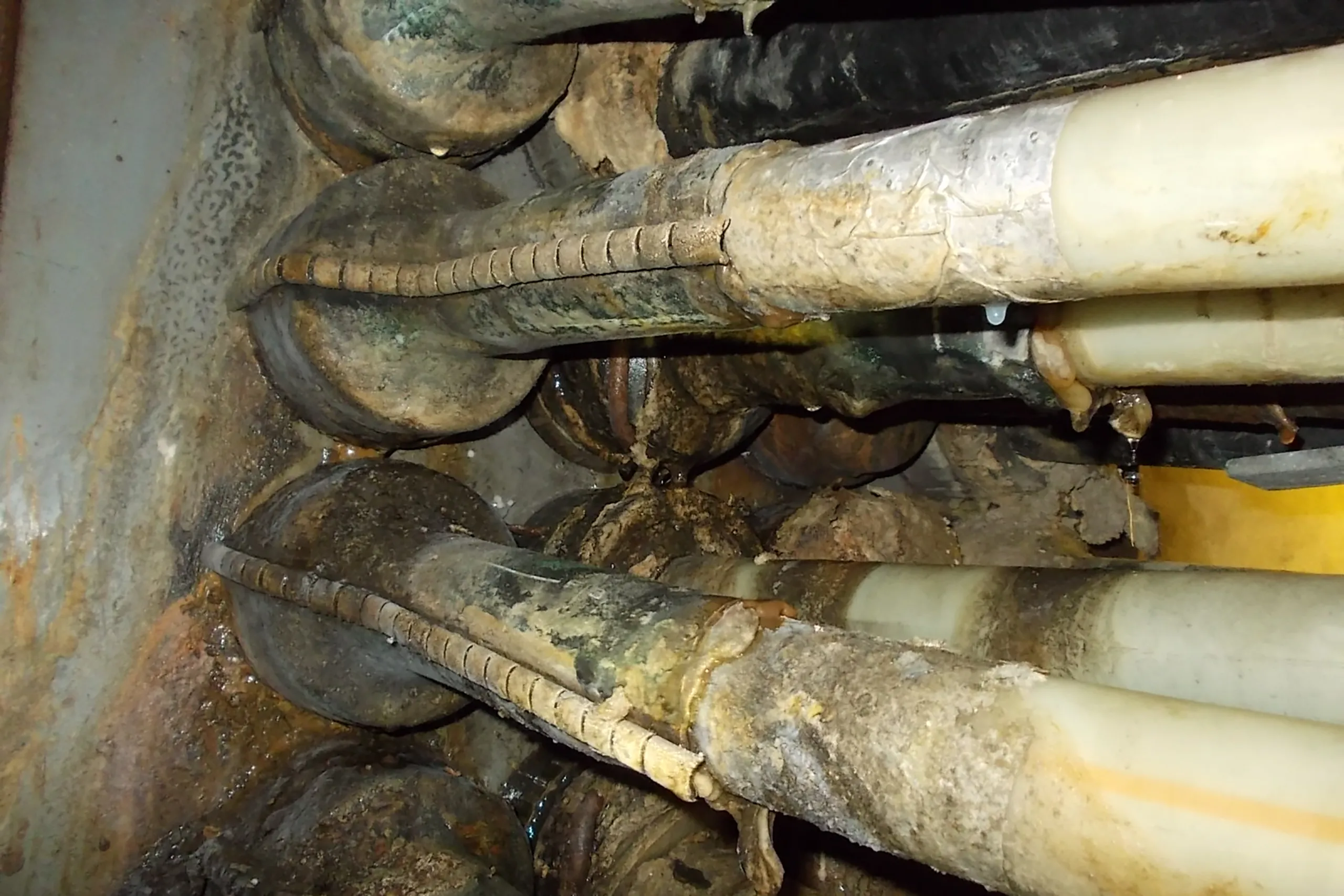
The result? Ineffective seals that fail quickly, leaving ducts exposed to water ingress, gas migration, corrosion, and pest damage.
Why expanding foam and mastics fail
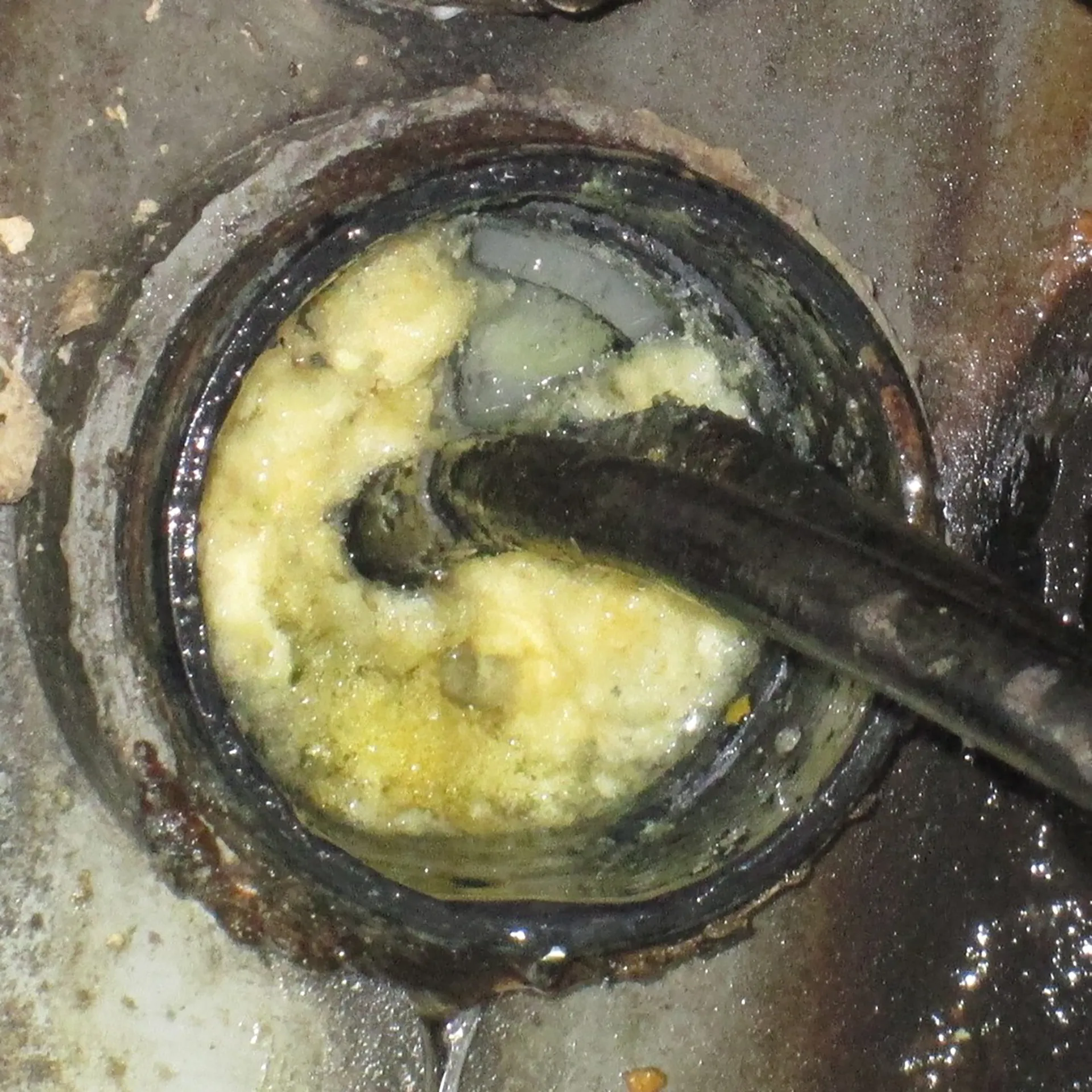
- Expanding foam – Cheap and quick to apply, but the large, soft cell structure breaks down rapidly. Digging out failed foam and retrofitting a proper system is both time-consuming and expensive.
- Mastics and putties – Sticky, awkward to apply, and prone to hardening in cold conditions. They often crack over time, allowing water and gas to penetrate more easily.
Neither approach delivers the long-term performance required for critical infrastructure.
The cost of poorly sealed ducts
Open or badly sealed ducts are more than just an inconvenience. They can cause, for example:
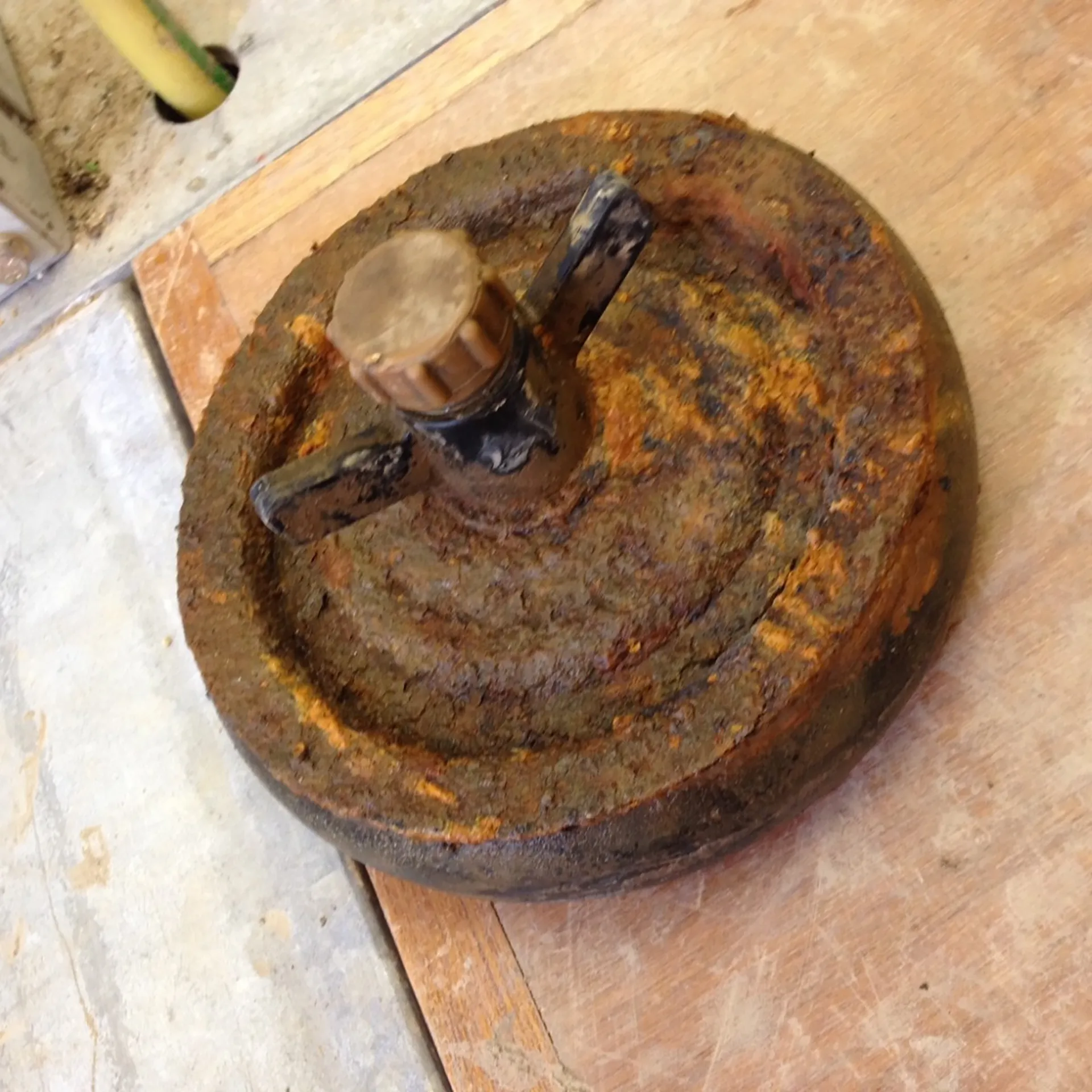
- Rust and corrosion of metalwork and support structures
- Damage to sensitive electrical components
- Increased humidity leading to premature equipment failure
- Expensive and disruptive repair cycles
That’s why industry specifications now demand higher performance levels. (Resistance to chemicals, hydrocarbons, fire, or rodents – to list but a few.)
Don’t forget blank ducts
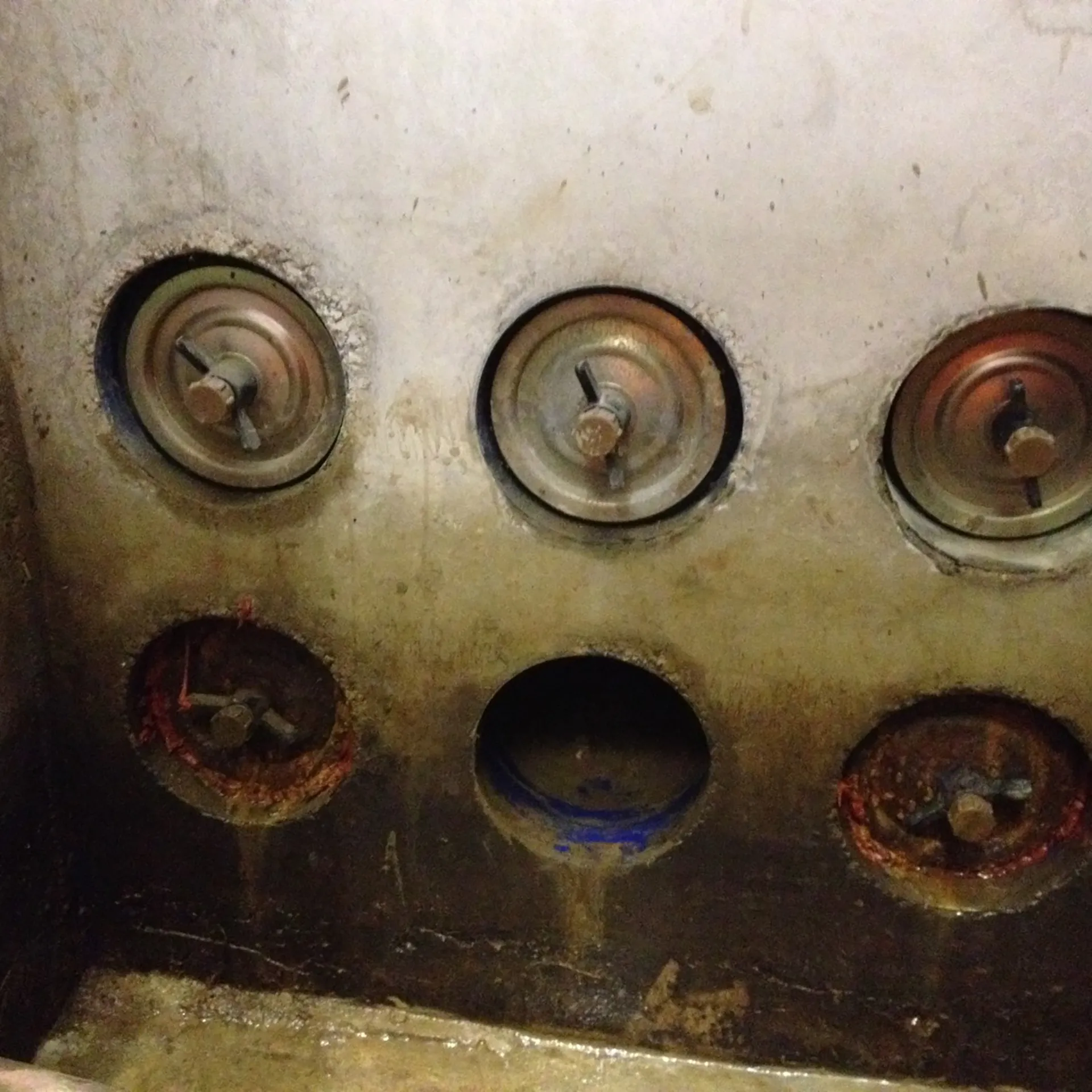
Future-proofed projects often include ducts left empty for later use. If these blank ducts aren’t properly sealed, they quickly become weak points for water ingress and corrosion. Temporary bungs or mechanical plugs rarely provide a lasting solution.
The complete solution: FiloSeal+HD
Filoform’s FiloSeal+HD system is designed to meet all the major requirements of duct sealing, providing long-term resistance to:
- Water and gas ingress
- Hydrocarbons and chemicals
- Rodents and termites
- Fire risk
How it works
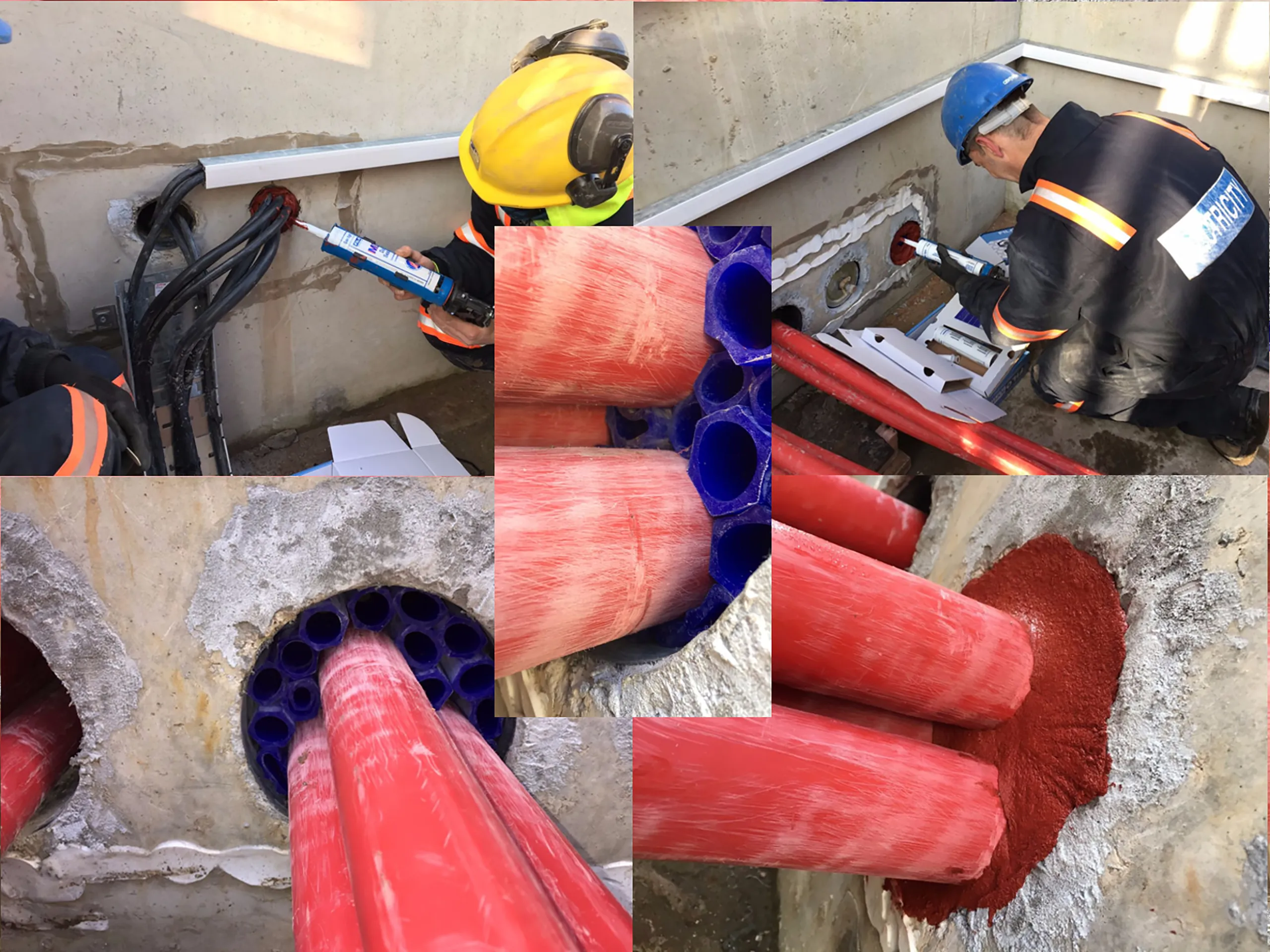
Hexagonal tube system
Creates a strong honeycomb structure to separate and support cables, while allowing maximum flow of sealant.
MD+ sealant
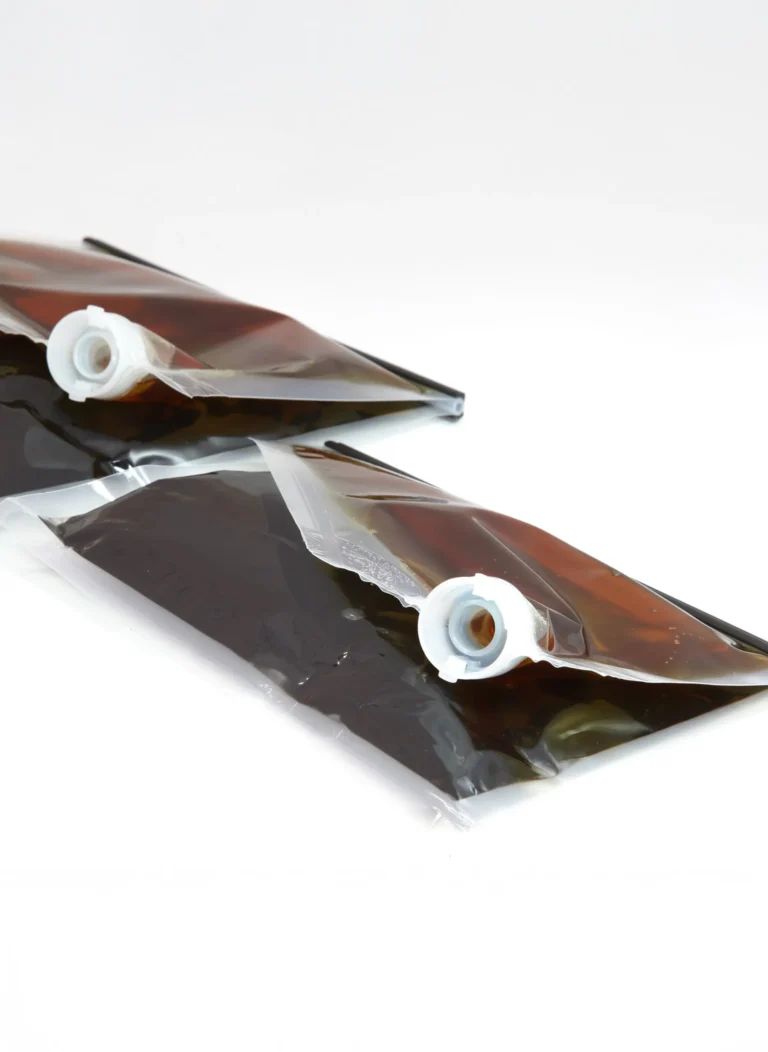
A high-performance, one-component silicone-based compound applied with a standard skeleton gun. It cures with air humidity to form a flexible, durable elastomer with excellent adhesion.
Re-enterable design
Allows for future access to add or remove cables without compromising the seal.
Sizing
FiloSeal+HD comes in two standard sizes (50mm–160mm ducts), with larger solutions available on request.
Why choose FiloSeal+HD?
- Designed for complex cable configurations – Trefoil cable arrangements, which are notoriously difficult to seal, are easily handled with the FiloSeal+HD system. The hexagonal tubes position and separate the cables, ensuring full coverage of the sealant and long-term protection even in high-voltage substations.
- Proven resistance to rodents and termites – To ensure global reliability, we tested FiloSeal+HD against Mastotermes Darwiniensis. This is the most destructive termite species in the world, responsible for millions in damage annually in Northern Australia. The results confirmed: FiloSeal+HD resists both rodents and termites.
- Free training and expert support – With more than 30 years of experience, our technical team provides expert advice to help you select the right system. We also offer free on-site training, sharing practical tips and best practices to ensure every installation is completed to the highest standard.
Key specifications
- Flexible, one-component sealing compound (310ml cartridge)
- High resistance to water, gas, hydrocarbons, chlorine, hydrogen sulphide, methane, and more
- Excellent adhesion to all common building materials
- Resistant to rodents and termites
- Non-corrosive, solvent-free, shock-absorbing, and non-toxic
- Complies with ATEX regulations
- Quick and easy installation in any shaped duct, bore hole, or opening
- Suitable for sealing PVC, PE, PILC cables, and HDPE pipes
- Works for both new builds and retrofit projects
Let’s protect your assets
Whether you’re sealing a single duct or managing a large-scale infrastructure project, FiloSeal+HD provides a reliable, long-term solution that protects your assets, reduces maintenance costs, and ensures compliance with industry standards.
Stop relying on temporary fixes. Choose FiloSeal+HD for a duct sealing system that’s proven to last.