





The challenge
A major rail operator was replacing and extending low-voltage signalling power circuits along a busy corridor.
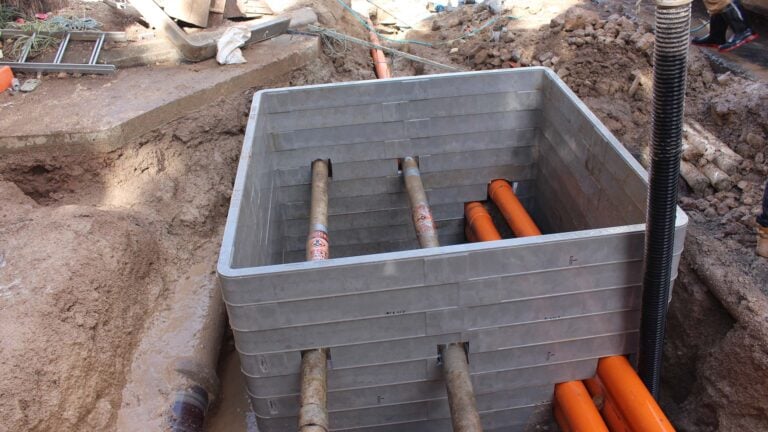
As we see all the time here at FILOform, one of the most underplayed recurring issues faced in rail environments is the vulnerability of trackside joints. Water ingress, chemical contamination, and mechanical stress can all wreak havoc. Cable connections are exposed to external factors such as:
- Fluctuating ground conditions
- Vibration from passing trains
- Water infiltration from surrounding soils and ballast
Over time, historic jointing methods had previously resulted in failures for our client. Moisture ingress caused partial discharges and insulation breakdown, leading to unplanned outages and safety concerns on critical lines. For the operator, this meant high maintenance costs and avoidable delays.
The solution
The project team standardised on FILOform ST6 straight resin cable joints for the connection, repair, and extension of rail cable circuits. Fast product facts:
- ST6 is designed for LV (up to 1 kV / 3.3 kV) cables
- It’s suitable for XLPE/SWA/PVC, PILC/SWA/PVC and EPR constructions across 2–5 cores (armoured or unarmoured)
- It covers Ø5–20 mm cables with an injection-moulded shell (L200 × Ø35 mm) – a practical fit for varied legacy and new-build runs found on rail schemes
- The system is type-tested to EN 50393 for LV cable accessories
- It’s approved for rail cable circuits utilising Class II-based Signalling Power Distribution Systems
- It carries a Network Rail reference (CM0/ST6, PADs No. 055/014007) – streamlining product acceptance during planning and works
For this project, key benefits of using our straight resin cable joints included:
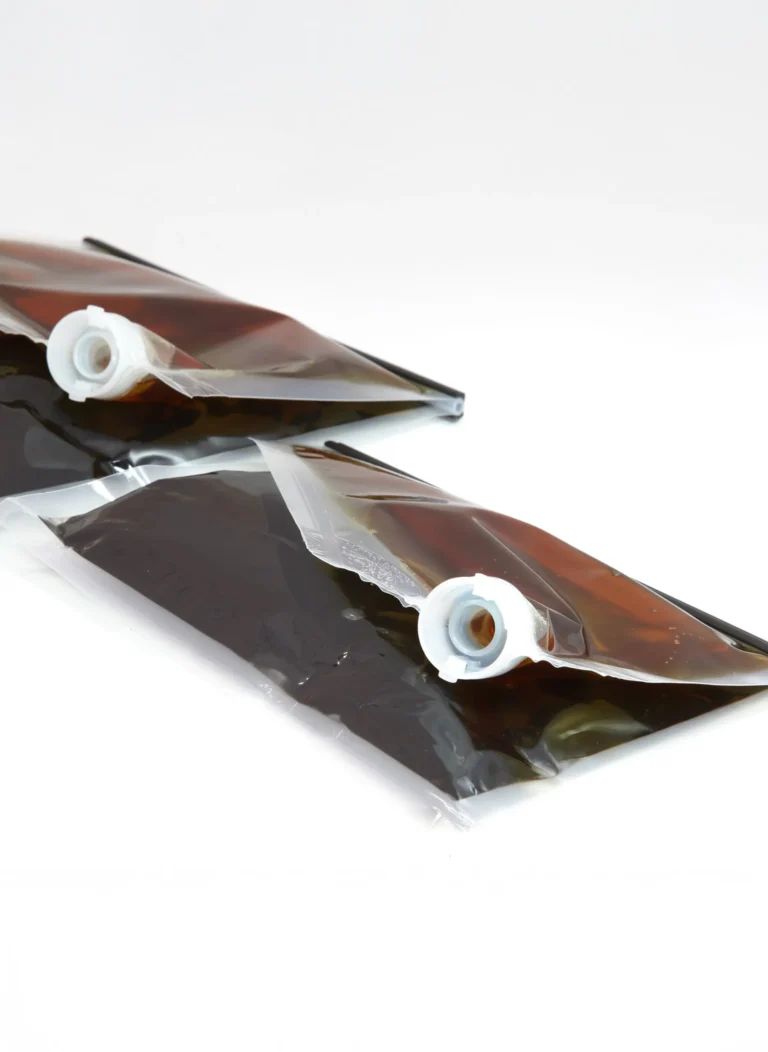
- Ingress control for reliability – Resin encapsulation and an injection-moulded shell provide a robust, enclosed joint. This helps keep water out and protect electrical insulation in harsh trackside conditions.
- Compatible with mixed cable estates – One kit family covers XLPE, PILC, and EPR across common core counts and sizes, simplifying stores and field selection.
- Rail-ready documentation – PADs-referenced part and Class II signalling suitability reduce acceptance friction and support audit trails.
- Efficient install in short possessions – Fill-under-load up to 1000 V and 2-hour cure before backfill notes are operationally helpful for constrained access planning.


The results
For the rail operator, using FILOform’s ST6 jointing system delivered proven improvements across reliability and maintenance:
- Failure prevention – By switching to a consistent, rail-approved LV resin joint, the operator reduced ingress-related joint failures, cut reactive maintenance on signalling power runs.
- Reduced maintenance interventions – While exact figures vary by site and season, teams reported smoother handbacks and fewer follow-up visits thanks to standardised, EN-tested LV jointing.
- Improved network resilience – Joints provided consistent long-term performance along the route, even under constant vibration and in water-laden soils.
“By adopting FILOform’s resin jointing system across its works, the rail provider secured a long-term, future-proof solution that safeguarded its critical infrastructure.”